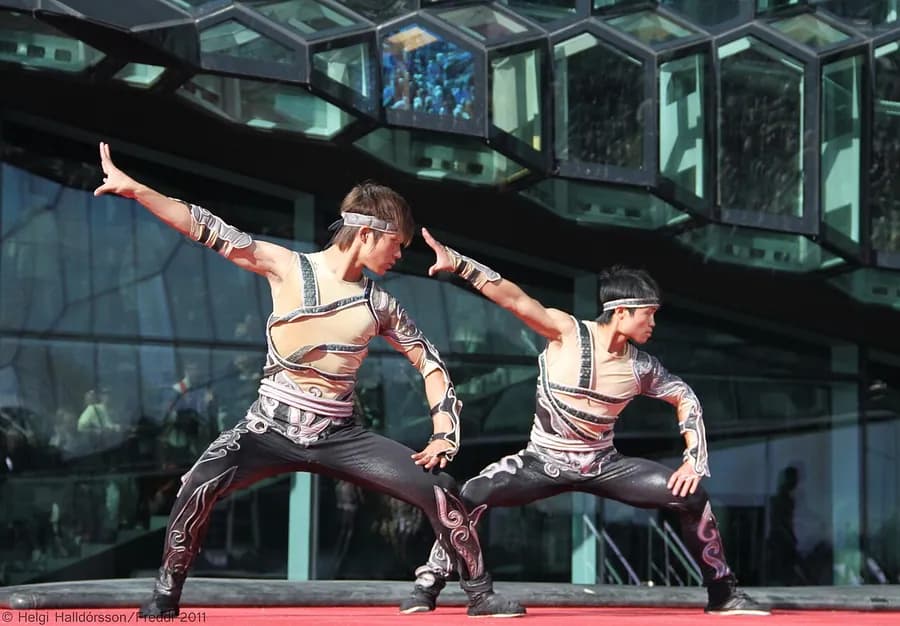
Acrobatic Kung Fu
A high-flying performance offshoot of Chinese martial arts where flips, aerial kicks, and theatrical timing turn combat forms into spectacle.
#acrobatic-kung-fu
#performance
#aerial
#chinese
#contemporary
#AcrobaticKungFu
#Chinese

Detailed, markdown-authored guides covering what each art is and how it developed.
A high-flying performance offshoot of Chinese martial arts where flips, aerial kicks, and theatrical timing turn combat forms into spectacle.
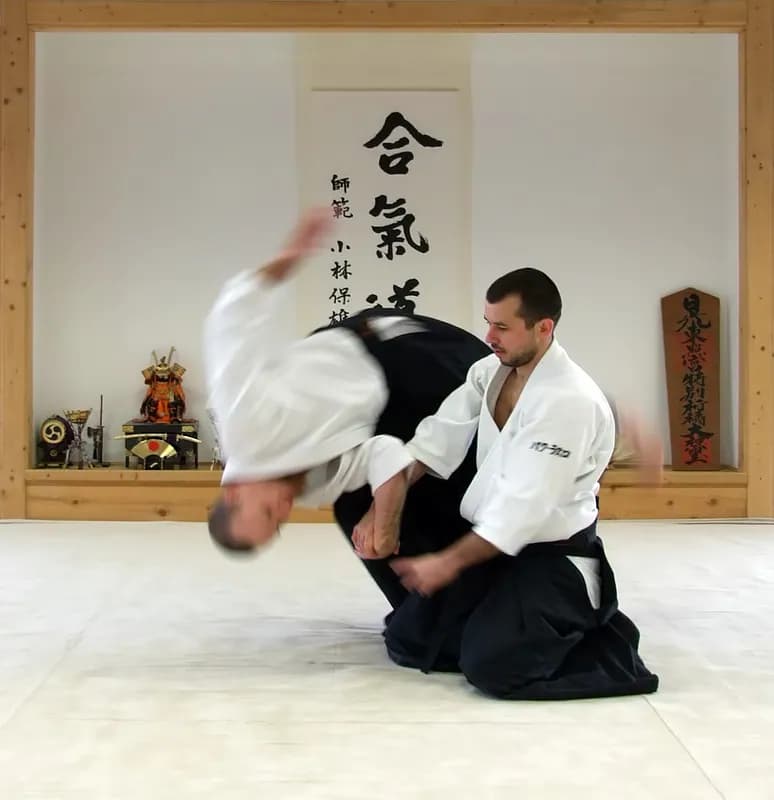
A Japanese martial art that turns an attacker's own momentum into circular throws and joint locks, built around a philosophy of harmony rather than domination.
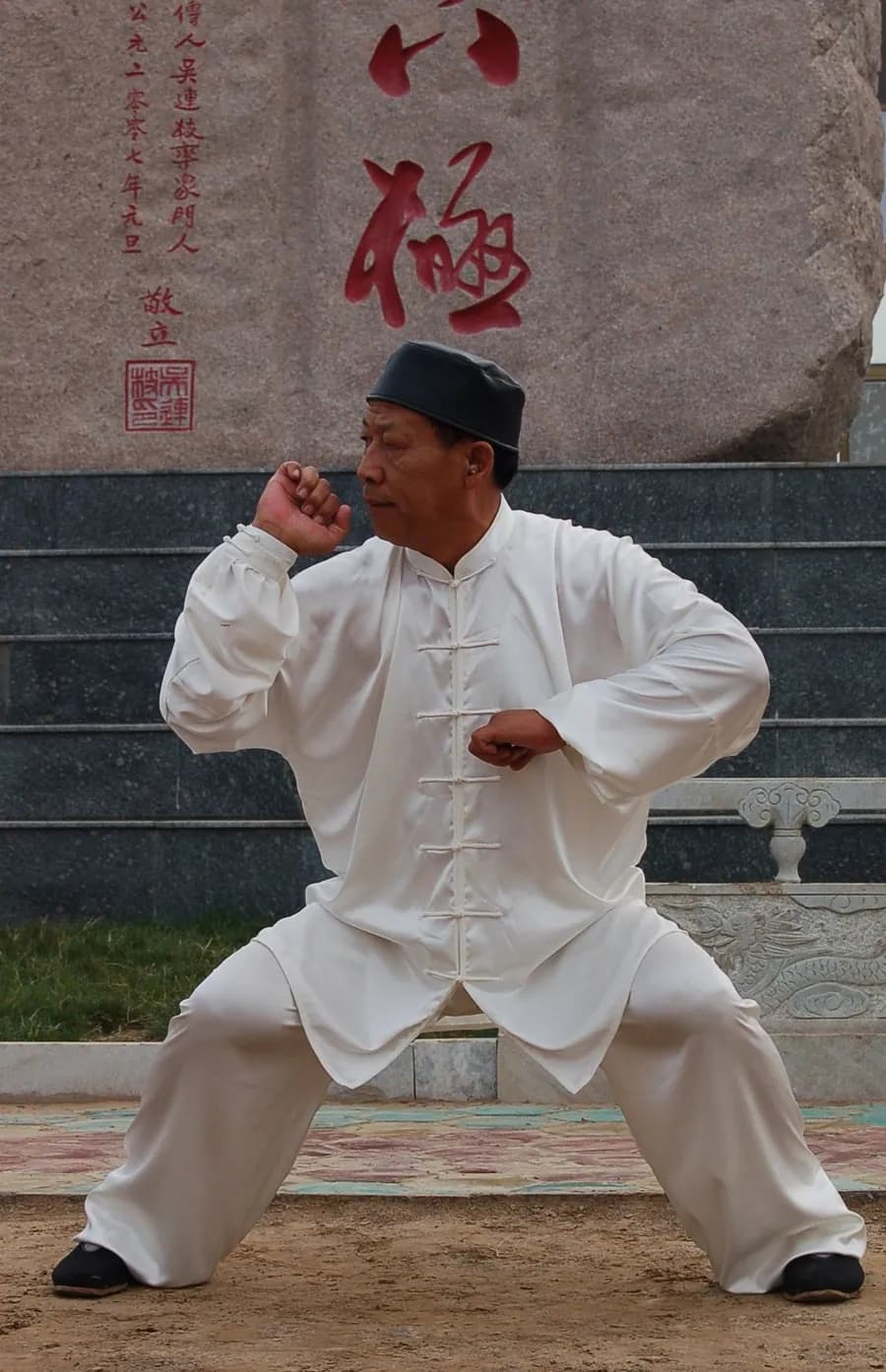
A northern Chinese martial art built for the clinch, generating brutal short-range power through explosive stomps, body collisions, and elbow strikes.

The mysterious 'Japanese system of wrestling' Sherlock Holmes used to defeat Moriarty, a famous misspelling that took on a life of its own.
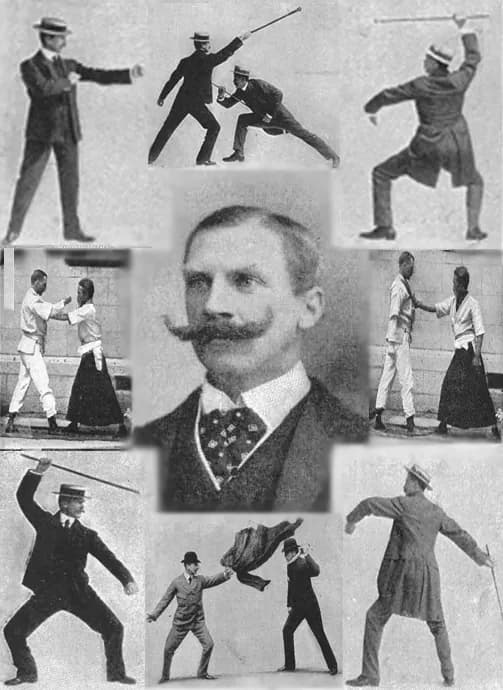
The Victorian gentleman's mixed martial art, blending jujitsu, boxing, savate, and cane fighting into one of history's first deliberate cross-training systems.
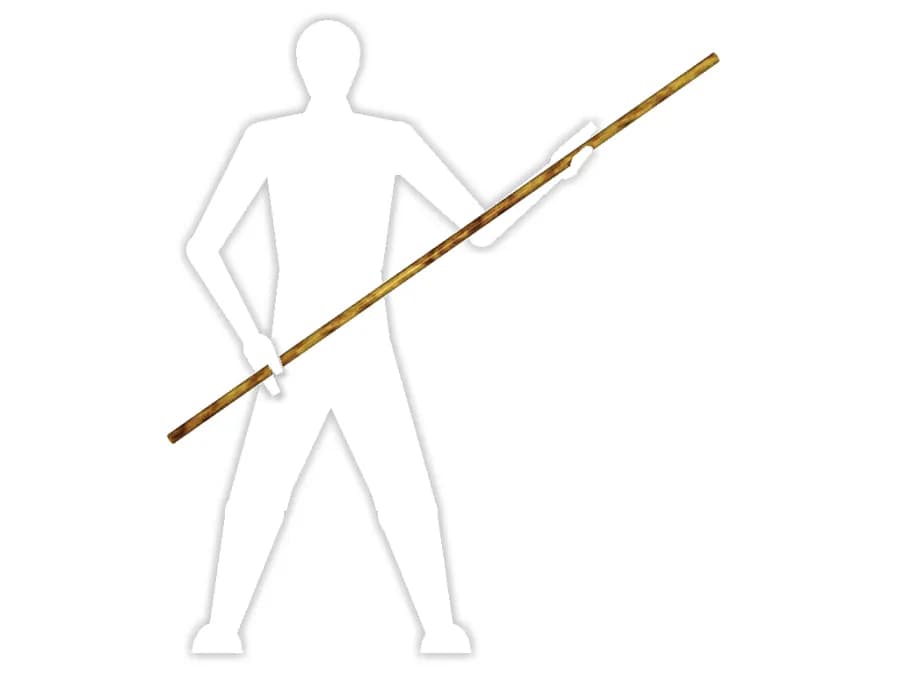
The Okinawan art of the long staff, where a six-foot length of wood becomes a weapon of reach, spinning power, and disciplined footwork.
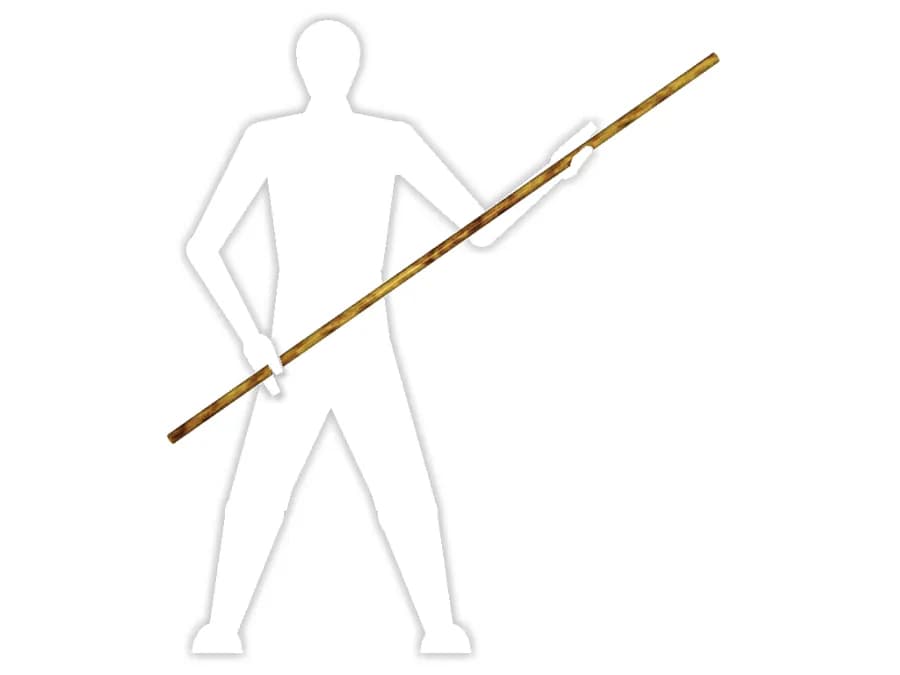
The Japanese and Okinawan art of the staff, turning a simple length of wood into a weapon of range, leverage, and whirling rotational power.
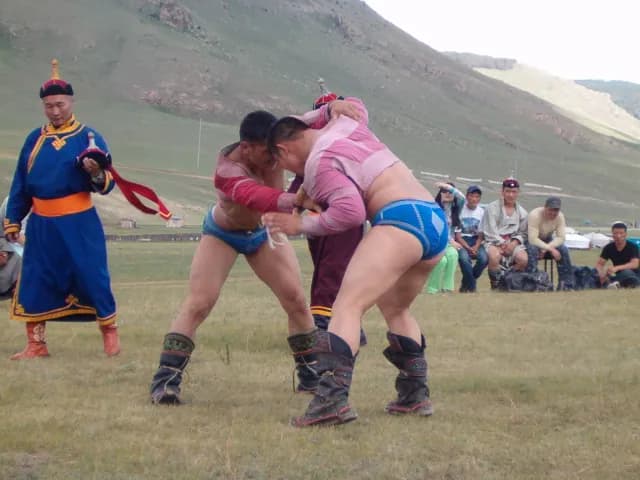
Mongolian wrestling in its purest form, an upright, ancient contest of grip, balance, and takedown authority woven deep into the nation's identity.
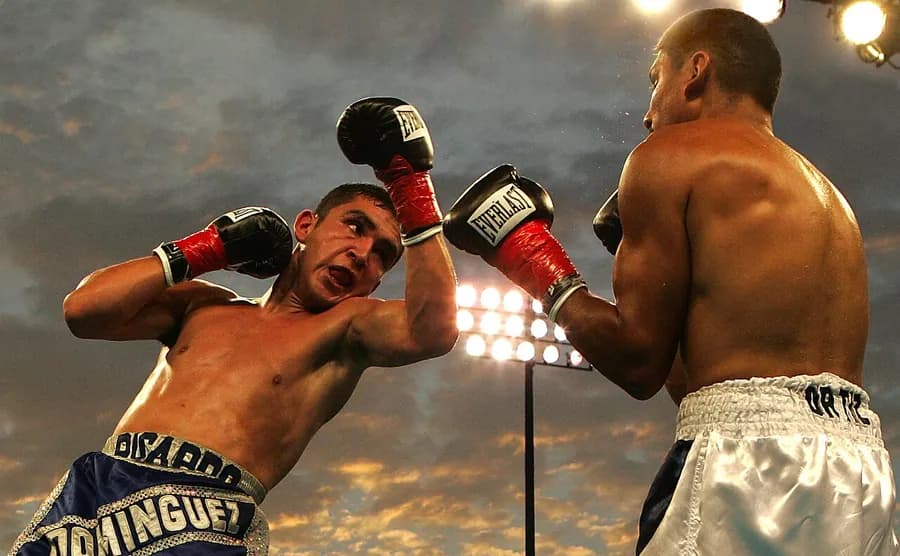
The sweet science, a striking art of fists, footwork, and timing that runs from the ancient Olympics to the modern professional ring.
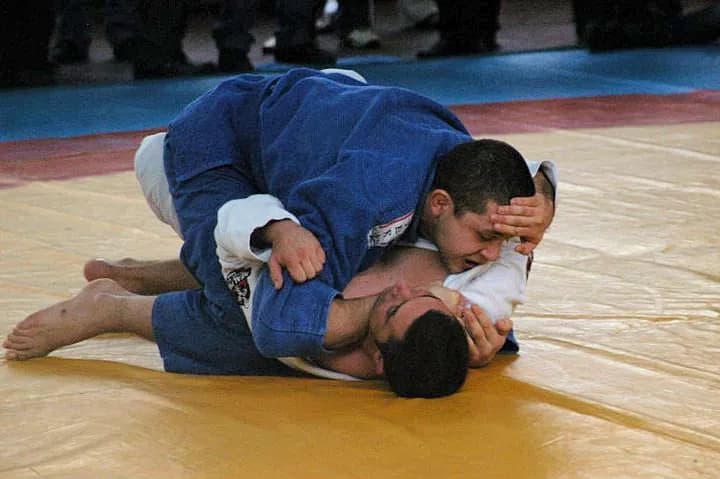
The ground-fighting art where leverage beats strength, letting a smaller grappler control and submit a larger opponent through position and technique.
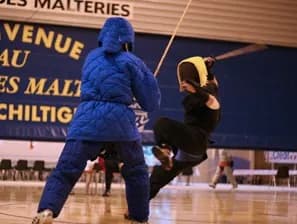
A French stick-fighting art where a light rattan cane whips through the air and every strike is built on footwork, timing, and precision.
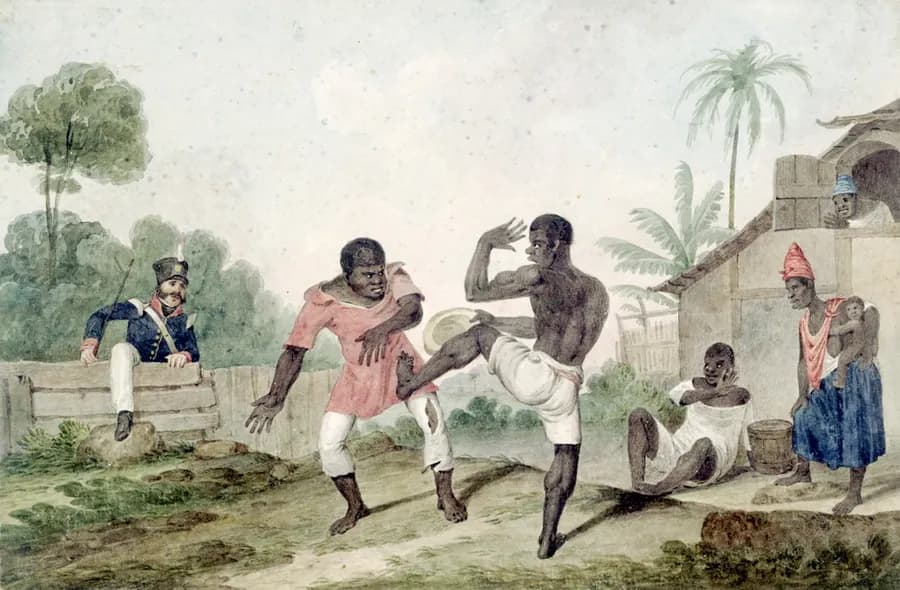
A Brazilian art of acrobatic kicks, deception, and music, where combat hides inside a game played to the beat of a bow-shaped instrument.
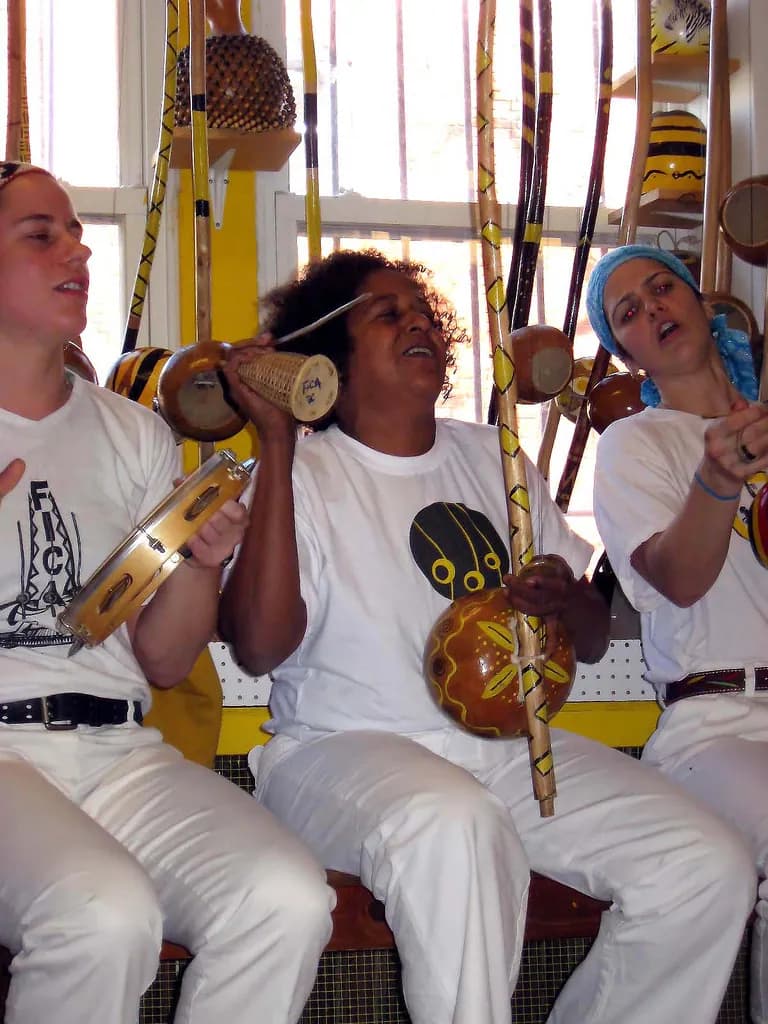
The older, slower, ground-hugging soul of capoeira, where the game is played close to the earth and steeped in ritual, cunning, and African tradition.
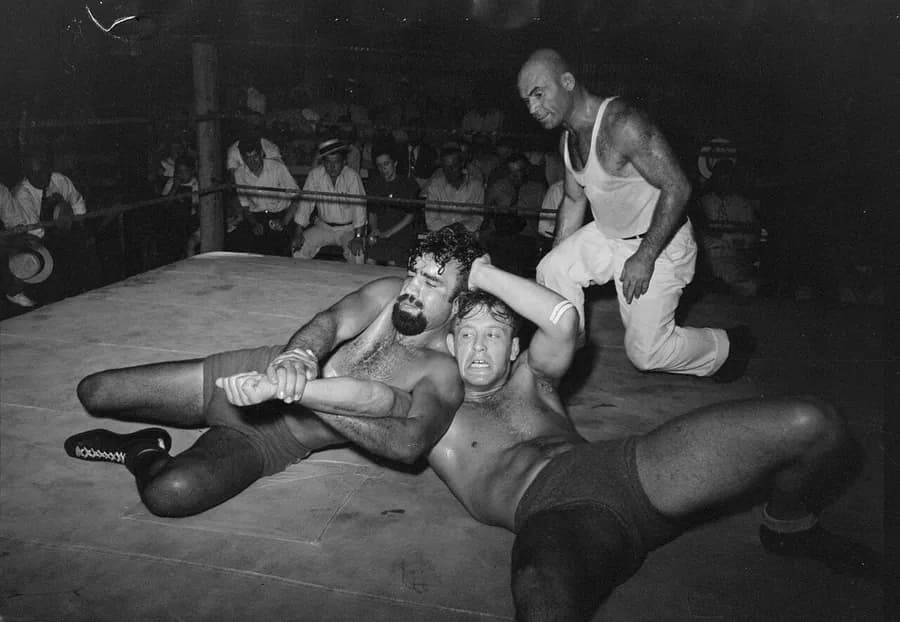
An old-school submission grappling style built on rides, cranks, pins, and relentless top pressure, forged in fairground booths and carnival tents.
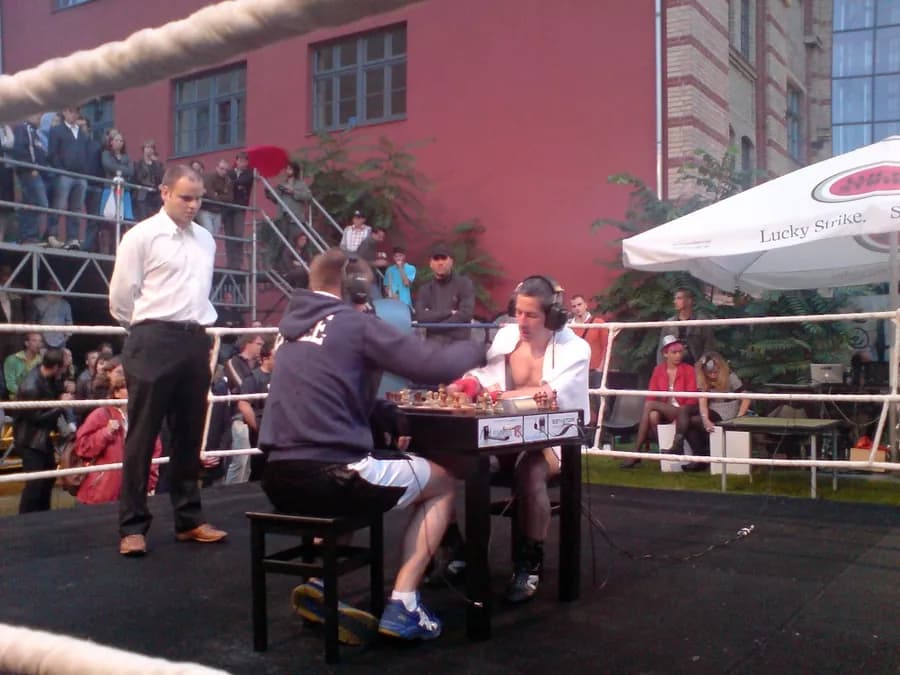
A hybrid sport that alternates rounds of speed chess and boxing, testing whether a fighter can out-think an opponent one moment and out-punch them the next.
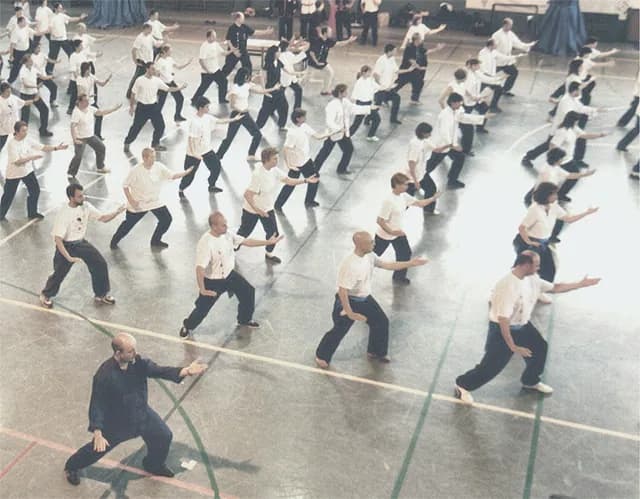
A southern Chinese kung fu system of sweeping, long-range strikes and rolling combinations, built to take on many opponents at once.
An Irish jacket-wrestling tradition fought from a fixed collar-and-elbow tie-up, prized for its throws and carried across the Atlantic by emigrants.
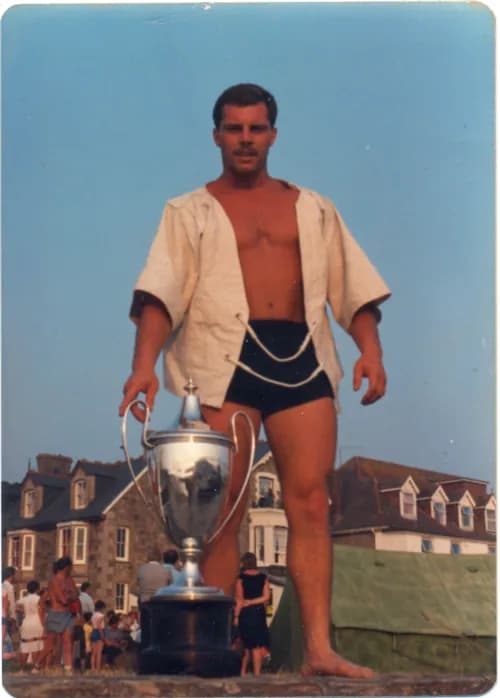
One of Britain's oldest folk grappling traditions, fought in a stout canvas jacket where every hold is taken on the cloth and victory comes from a clean back throw.
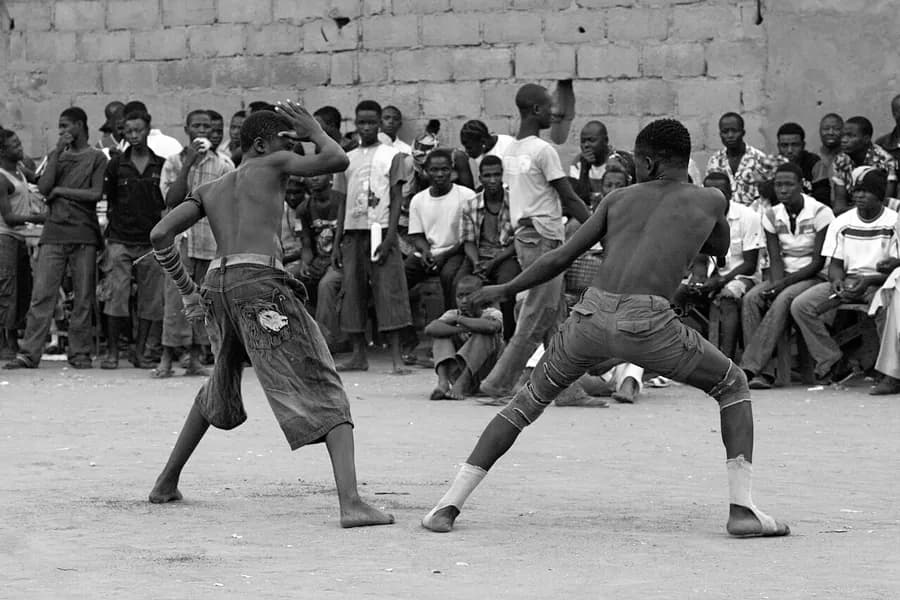
A West African striking art of the Hausa people, fought with one bound 'spear' hand and a shielding lead arm, wrapped in drumming, ritual, and raw spectacle.
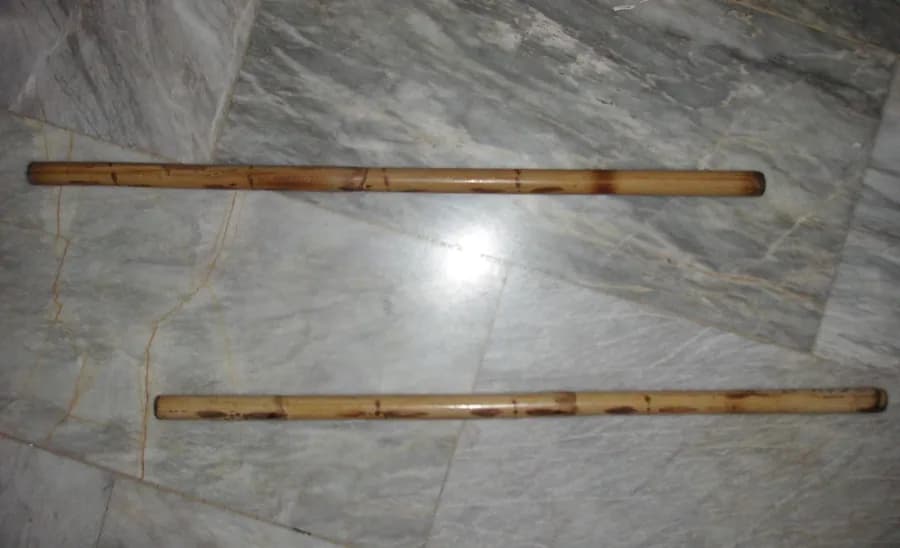
The Filipino art of the stick and blade, where fighters flow through blistering rattan patterns built on the logic of the edge and the point.
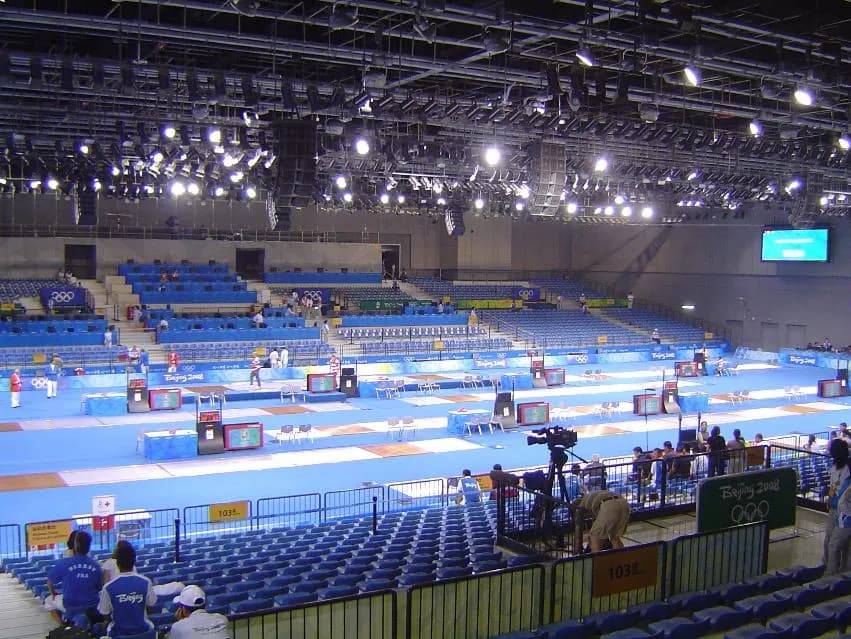
The lightning-fast sword sport where a lunge lands in a fraction of a second and the winner is often decided by who thought quicker, not who moved harder.
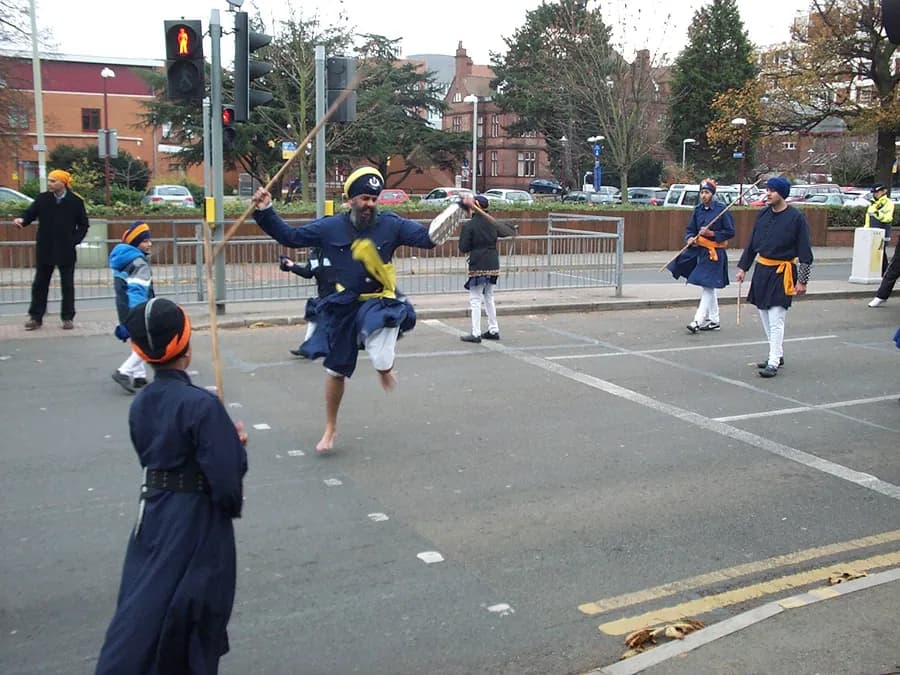
The whirling stick-and-sword art of the Punjab, where rhythm, prayer, and steel meet in a display that is equal parts combat drill and living devotion.
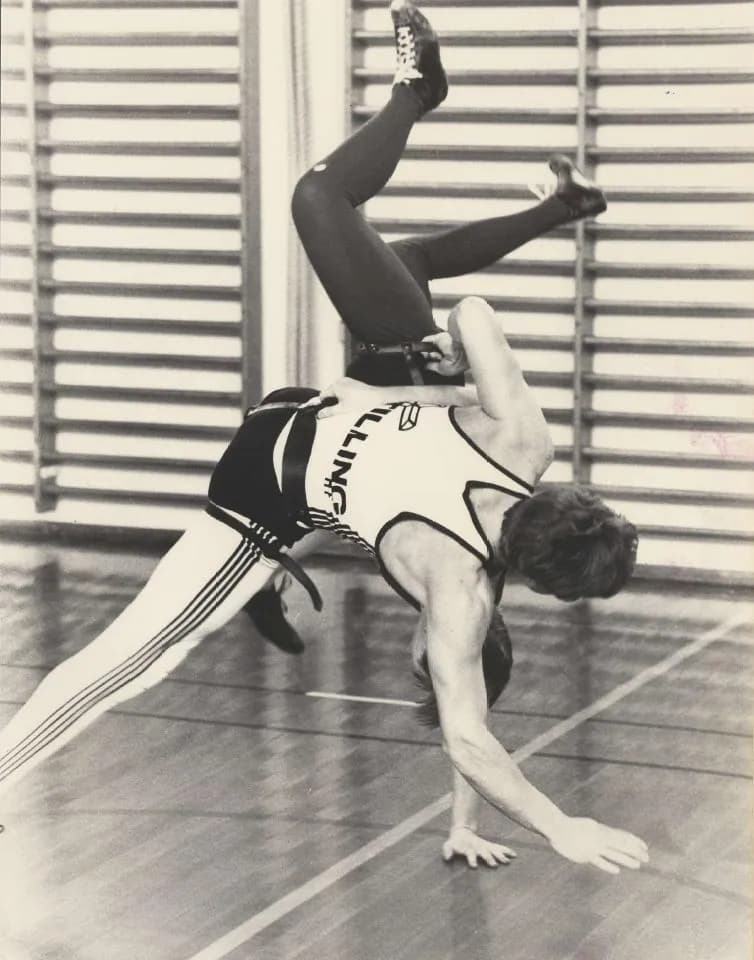
Iceland's old belt-wrestling game, where two upright fighters lock into a fixed grip and try to trip and topple each other with poise rather than muscle.
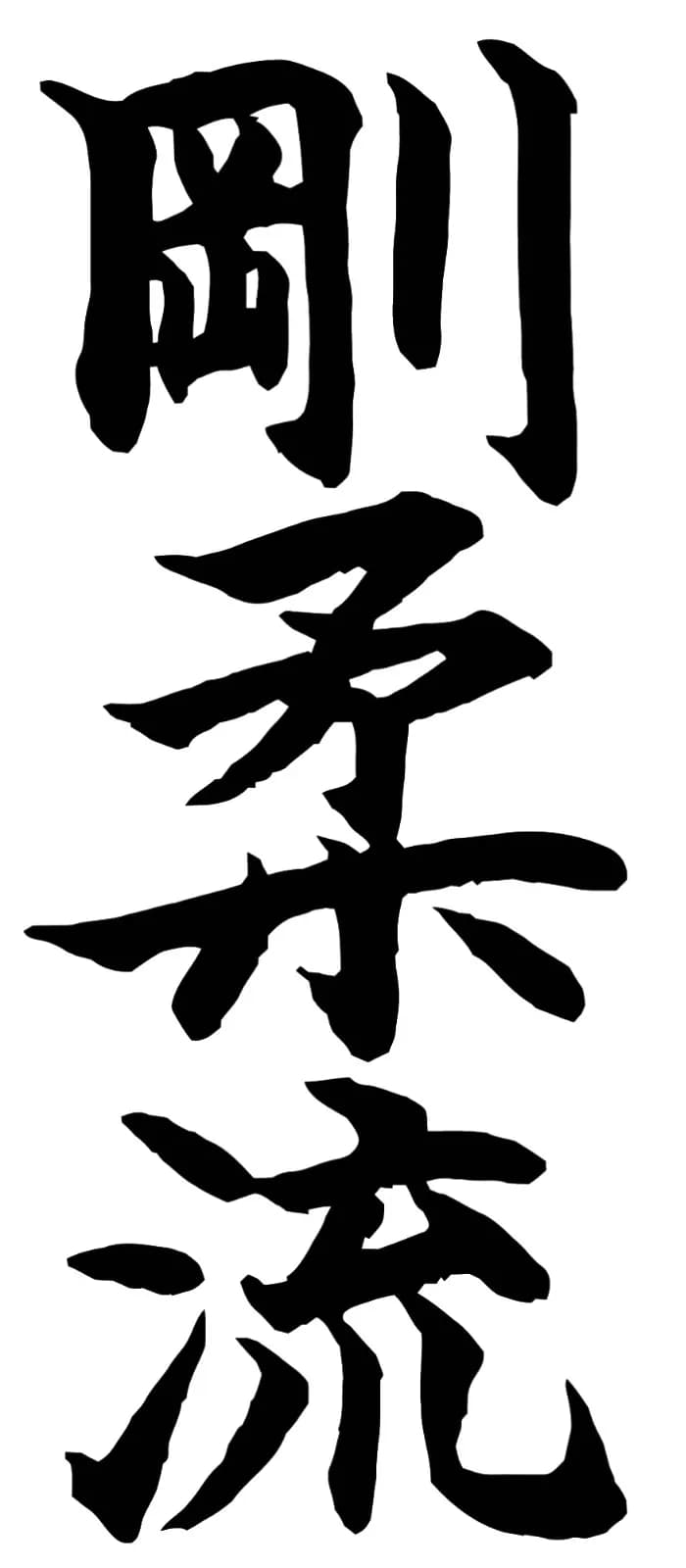
The Okinawan karate of hard and soft, where explosive close-range strikes meet circular, breathing-driven defense in one of the island's great fighting traditions.
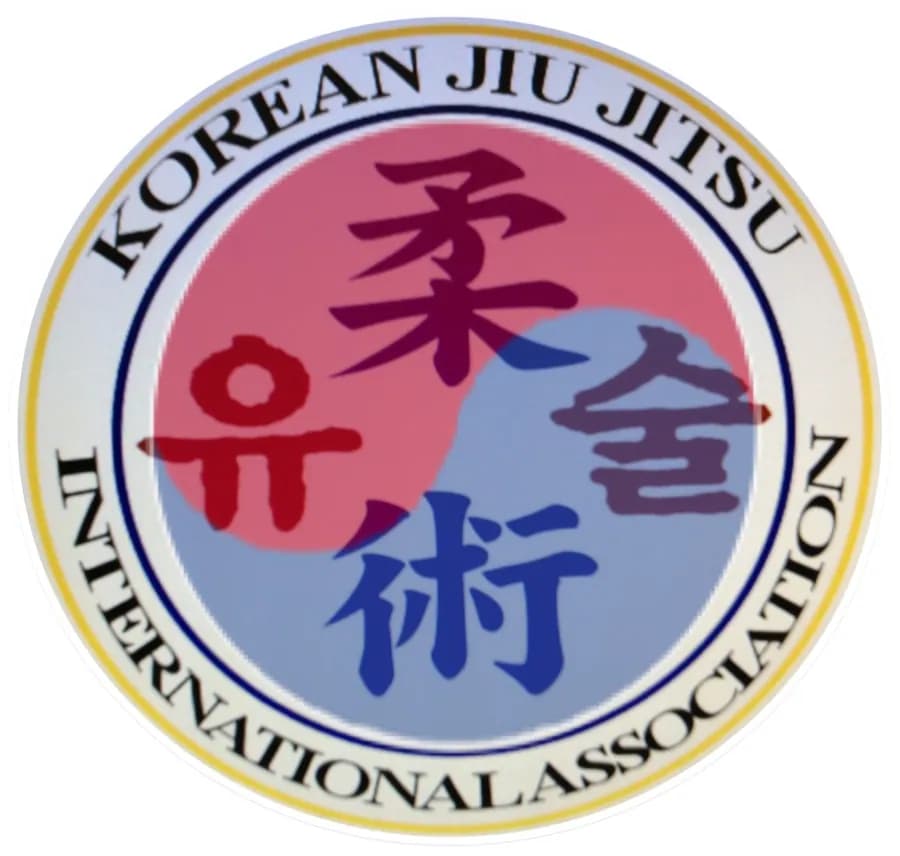
A modern Korean hybrid built for the cross-training age, stitching striking, throws, and ground submissions into one deliberately practical self-defense system.
Brittany's proud jacket-wrestling tradition, where two standing fighters grip the canvas and race to plant an opponent's shoulders on the turf in a single clean throw.
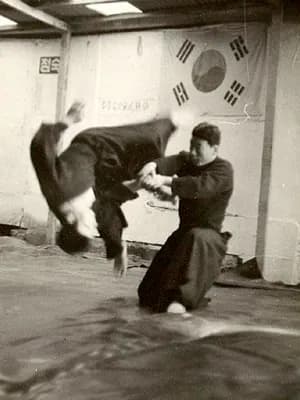
The Korean art of coordinated power, weaving joint locks, circular throws, kicks, and strikes into a sprawling self-defense system with roots in Japanese jujutsu.

The scholarly revival of Europe's lost fighting arts, reconstructed sword in hand from centuries-old manuscripts by researchers who test every interpretation in the sparring ring.
The living, borderless striking of modern combat sports, where boxing hands, Muay Thai clinch, kickboxing volume, and karate angles fuse into one adaptable style.
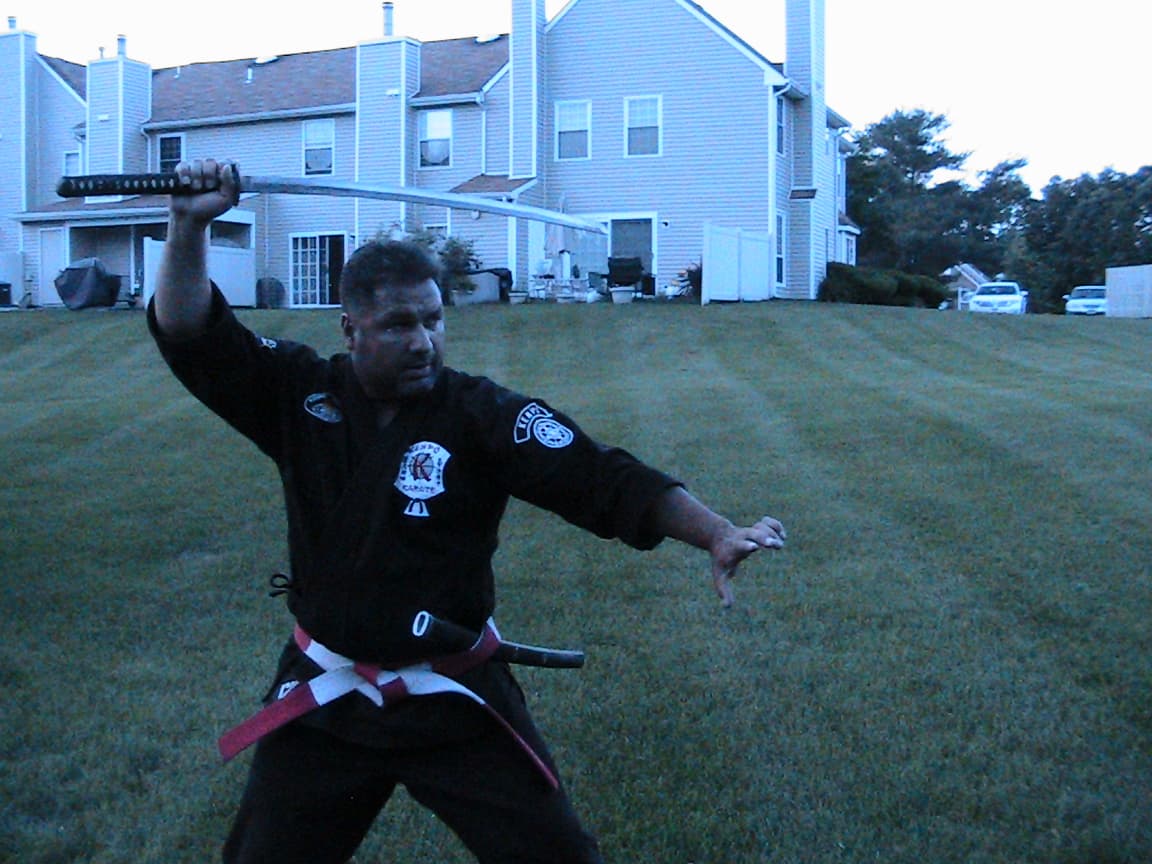
Bruce Lee's radical philosophy of formless combat, built on interception, directness, and the freedom to keep only what works and discard everything else.
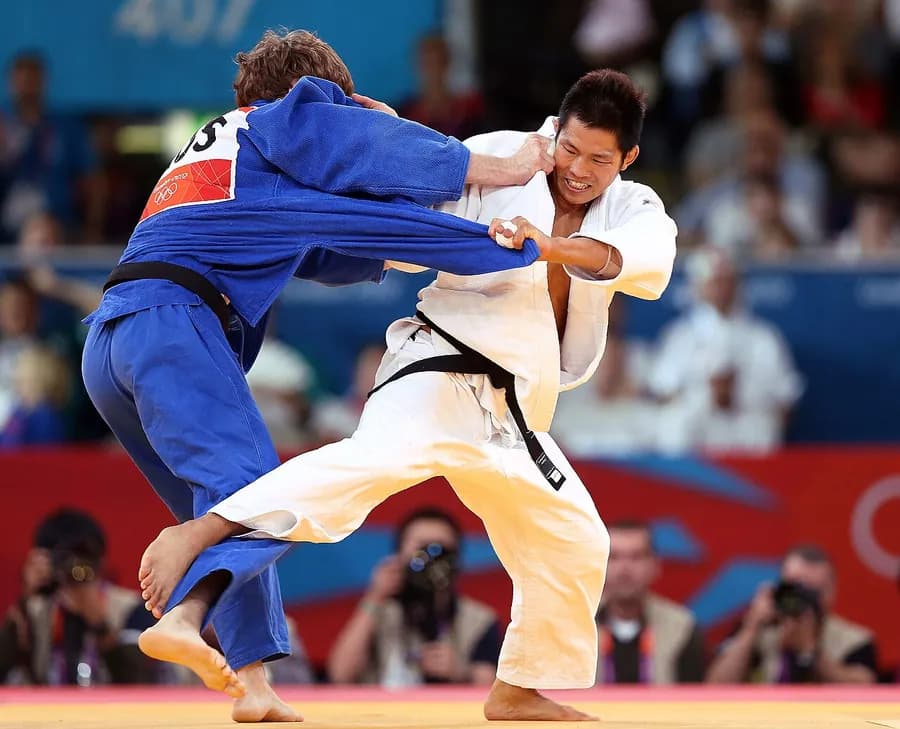
A throwing and grappling art built on balance breaking, timing, and the efficient use of an opponent's own force.
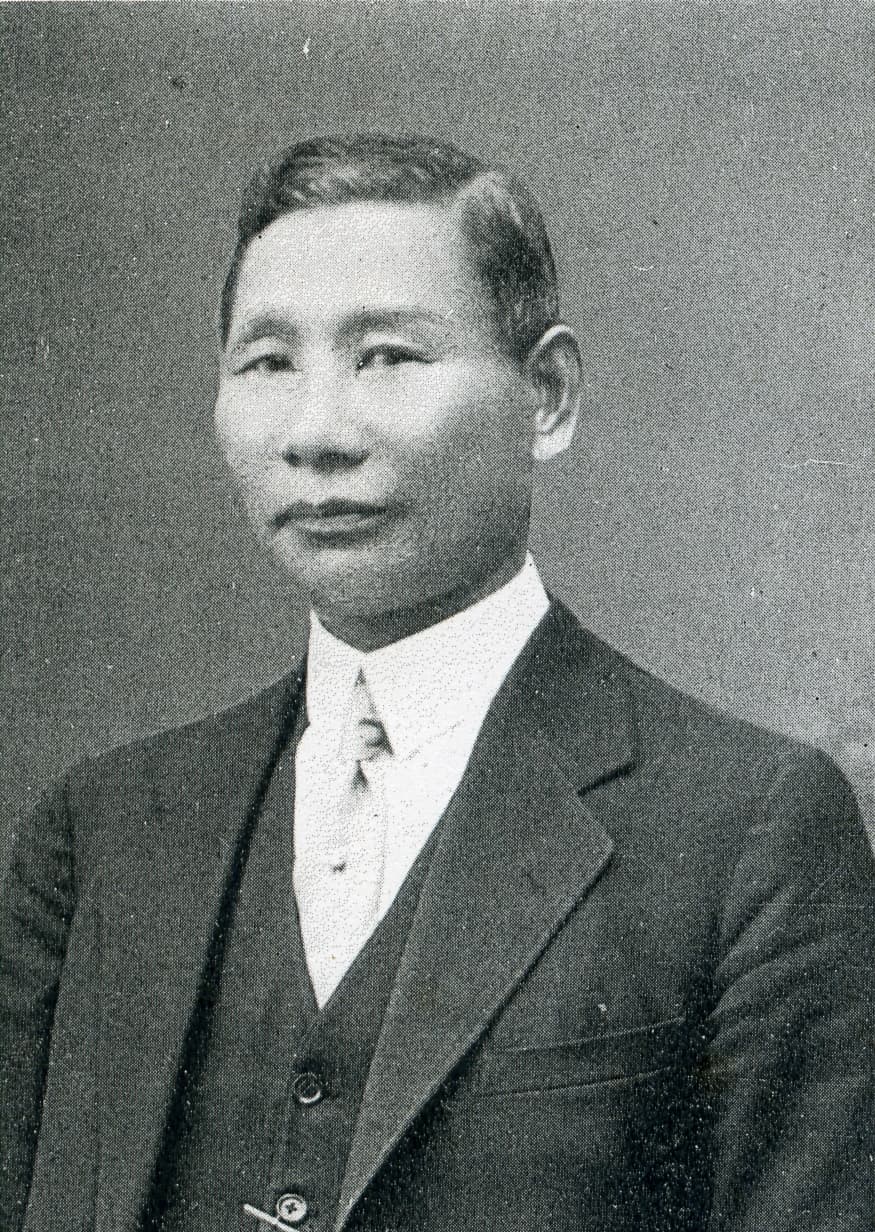
A hard-nosed Hawaiian hybrid that fused karate, judo, jujutsu, kenpo, and Chinese boxing into one street-tested fighting system decades before MMA existed.
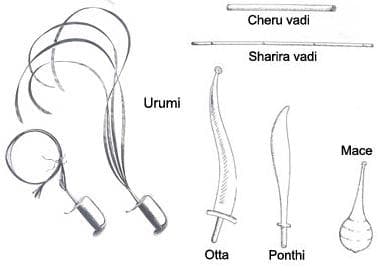
An ancient South Indian warrior art of flowing footwork, weapons mastery, and healing knowledge, often described as one of the oldest fighting systems still practiced.
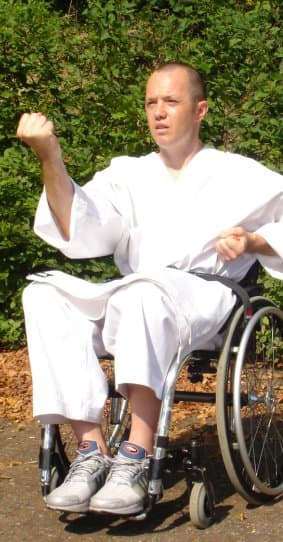
The Okinawan striking tradition that grew from a small island's blend of native fighting and Chinese boxing into one of the world's most widely practiced martial arts.
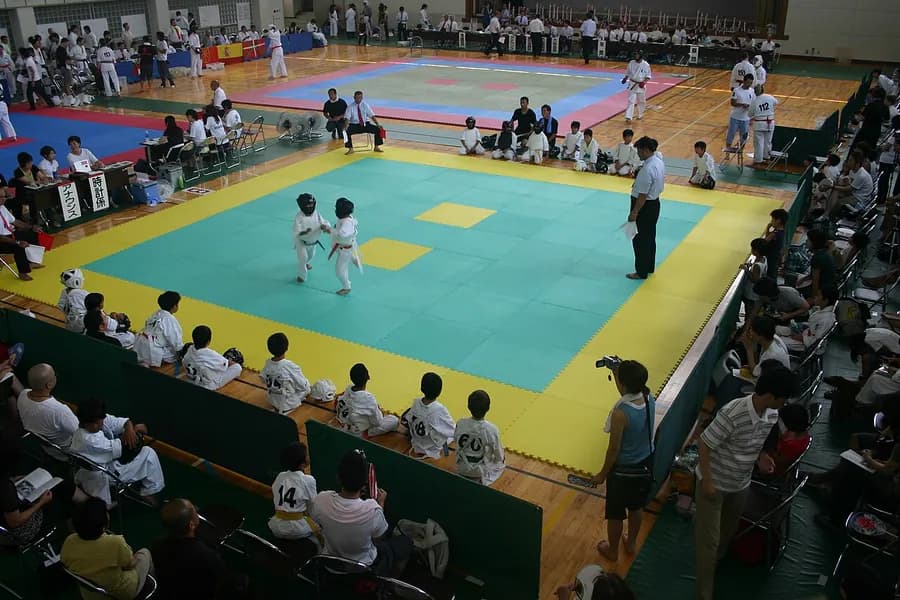
An eclectic family of striking arts, threaded from China through Japan to Hawaii and America, built on rapid hand combinations and adaptable self-defense.
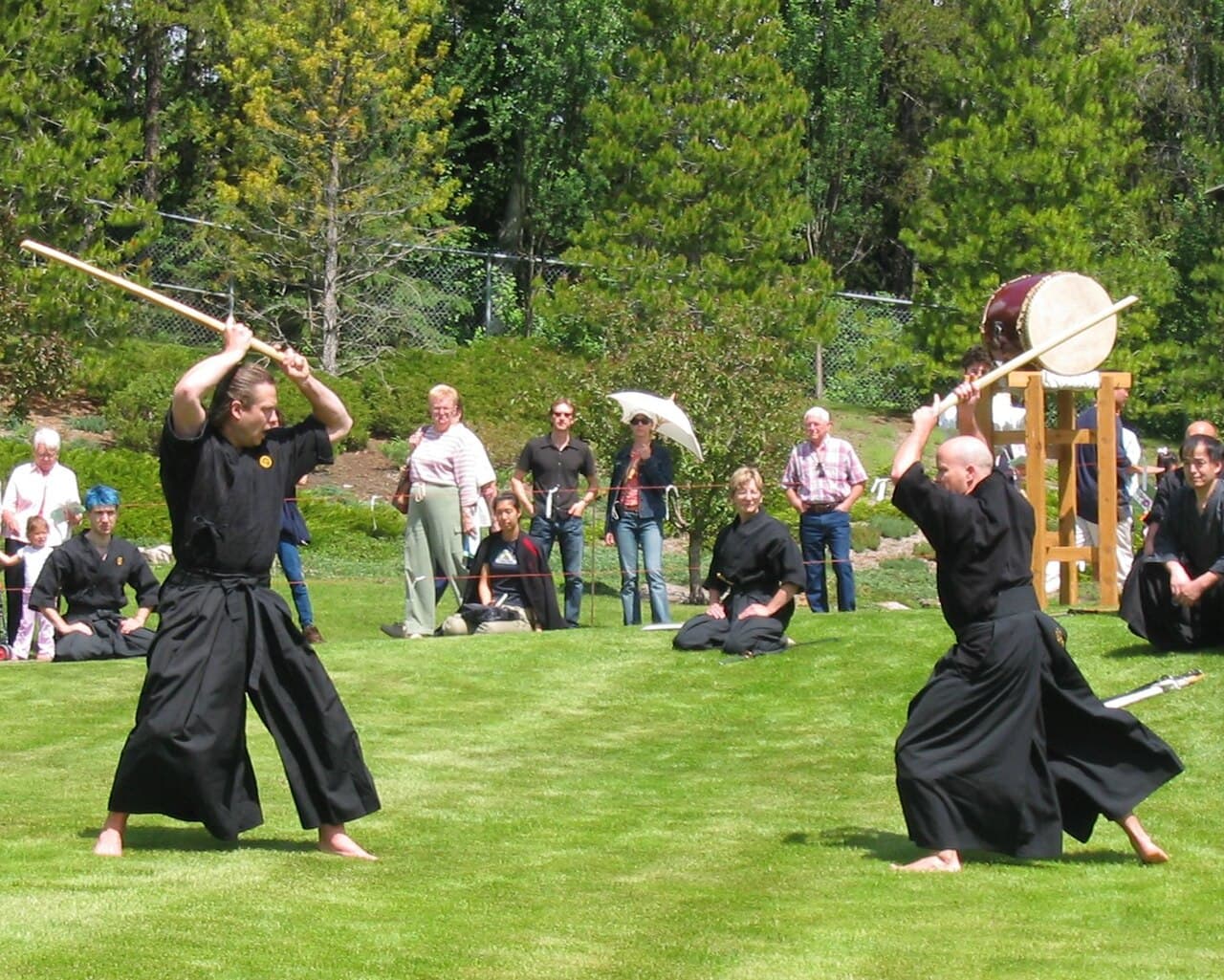
The battlefield sword arts of the samurai, preserved through centuries-old schools that still teach the cutting, timing, and discipline of the Japanese blade.
A modern Spanish self-defense system built for close-quarters chaos, famous for its covering guard and its starring role in Hollywood fight choreography.
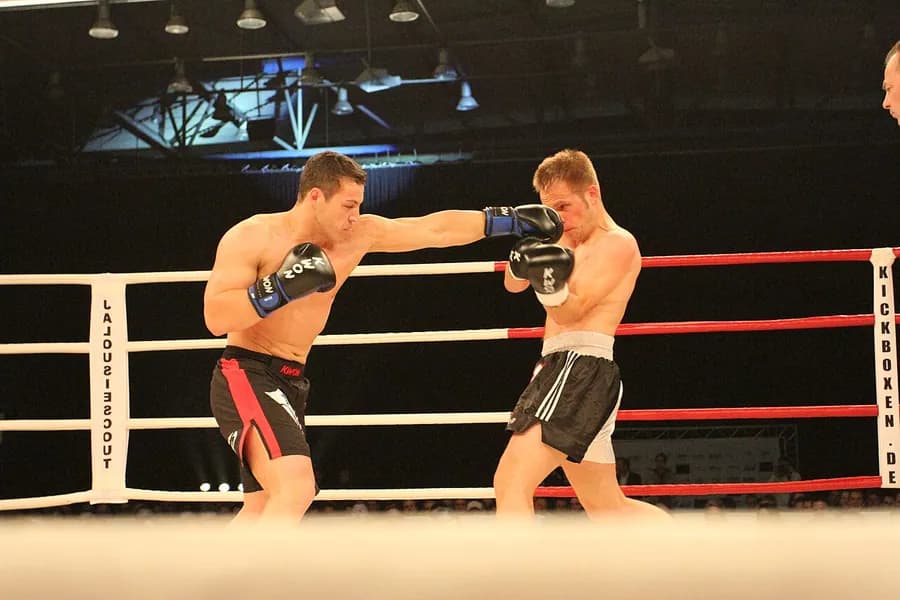
The hybrid striking sport that fused boxing hands with kicks, born in parallel across Japan, America, and the Netherlands into the punishing modern game we know today.
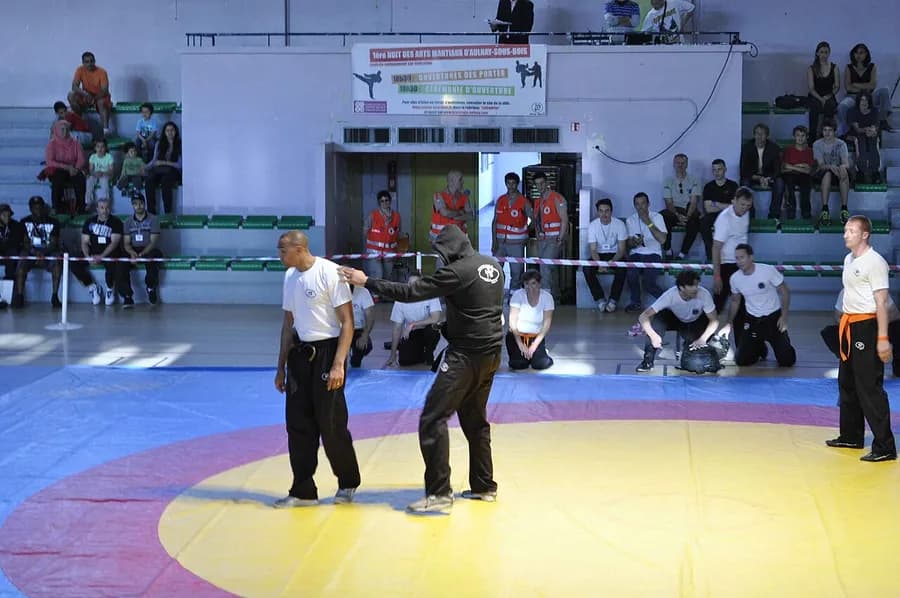
The Israeli self-defense system forged from a Jewish street-fighter's experience and refined for the military, built to end real violence as fast as brutally possible.
A Japanese mixed-rules combat sport that grew out of full-contact karate, uniting strikes, throws, and groundwork under a distinctive helmeted fighting format.
The vast umbrella of Chinese martial arts, spanning hundreds of styles from Shaolin temple boxing to Tai Chi, bound together by centuries of philosophy and craft.
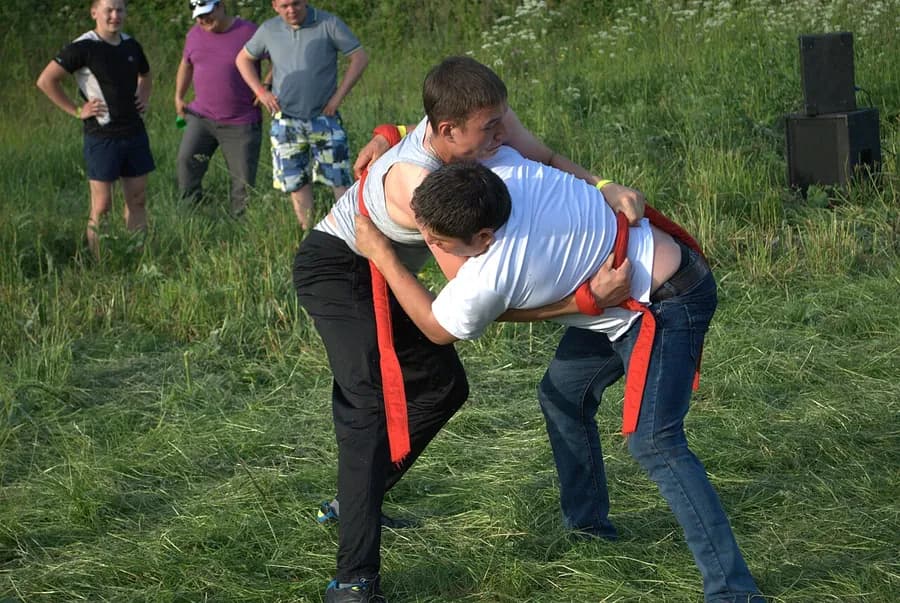
A Central Asian jacket-wrestling tradition where whole contests are decided on the feet, in a blur of grips, off-balances, and clean overhead throws.

The full-contact karate style that swapped point-scoring for bare-knuckle body shots, brutal conditioning, and the willingness to test everything in the ring.
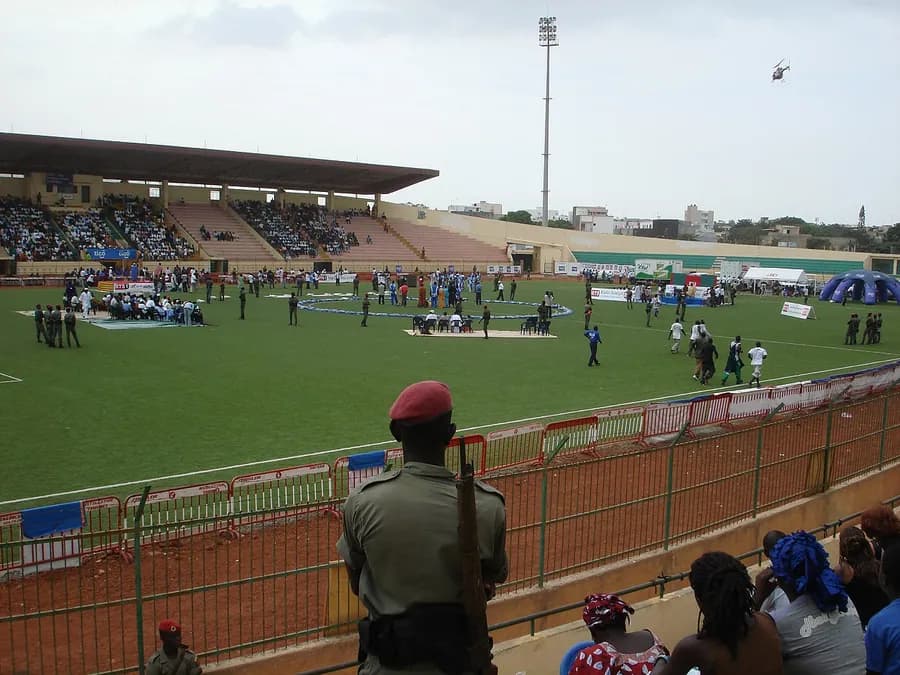
Senegal's national wrestling spectacle, where village grappling, thunderous physicality, and elaborate spiritual ritual collide in front of packed arenas.
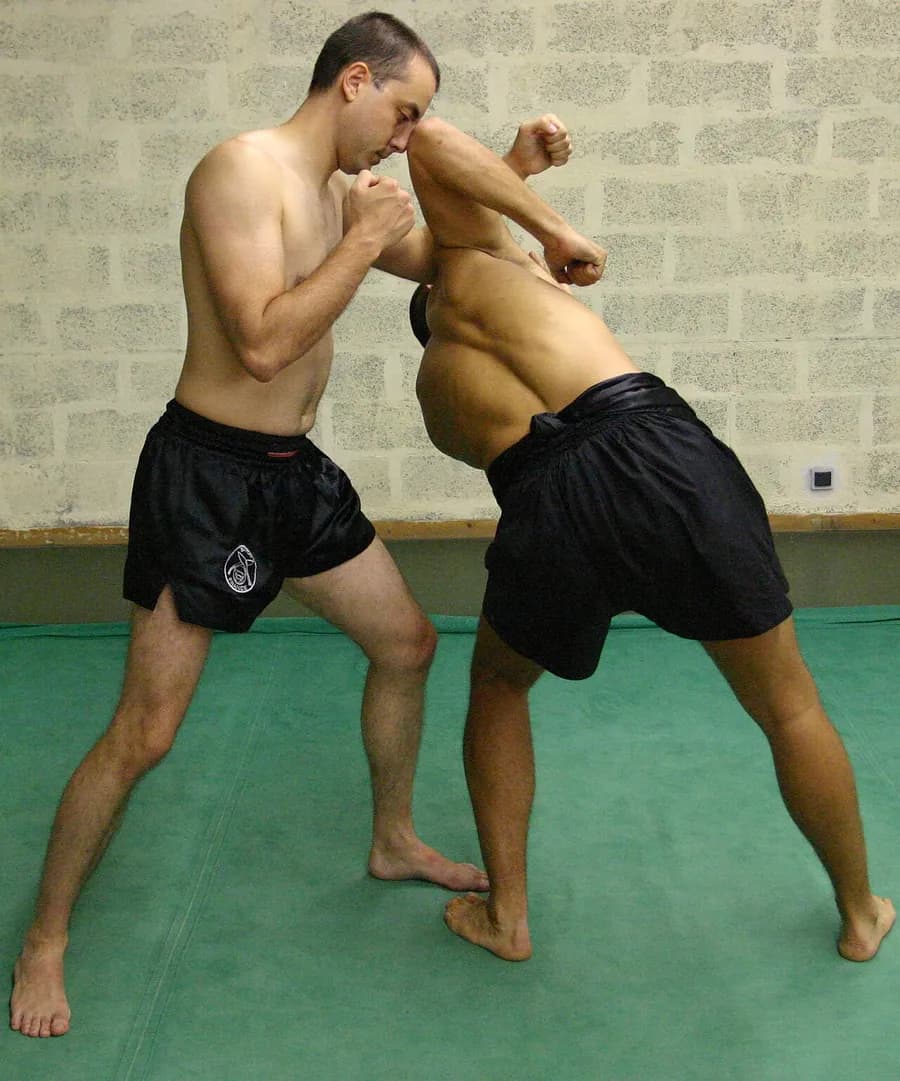
Myanmar's bareknuckle boxing, the so-called art of nine limbs, where headbutts are legal, gloves are absent, and traditionally only a knockout could win.
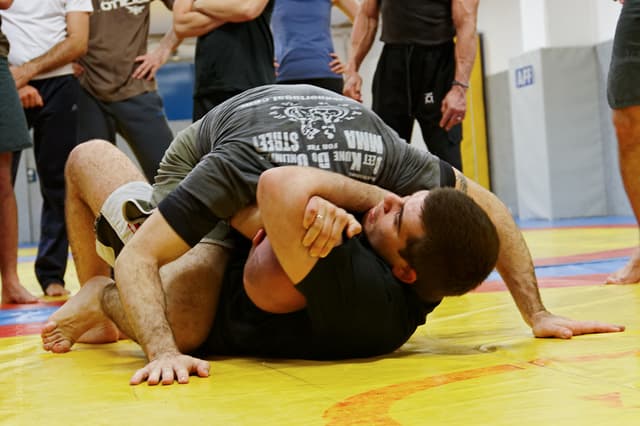
Brazil's no-gi grappling tradition, born from catch wrestling and forged in a fierce rivalry with jiu-jitsu, famous for its leg-lock heritage.
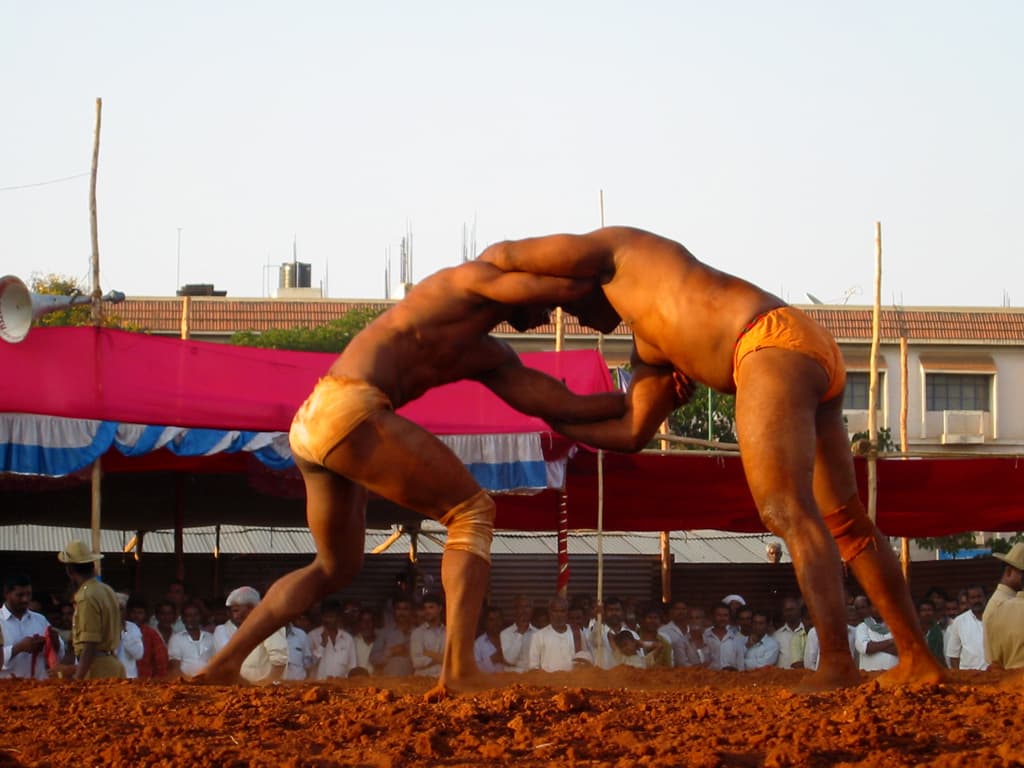
The classical wrestling of the Indian subcontinent, an ancient grappling tradition tied to epic legend, temple culture, and the roots of South Asian kushti.
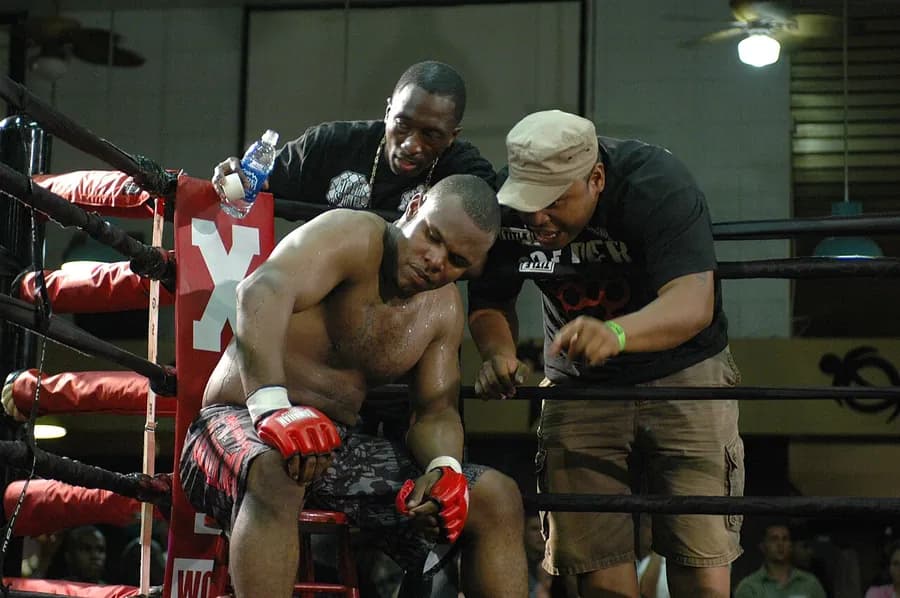
The sport that put every fighting style in the same cage to see what actually works, evolving from no-holds-barred spectacle into a global, unified discipline.
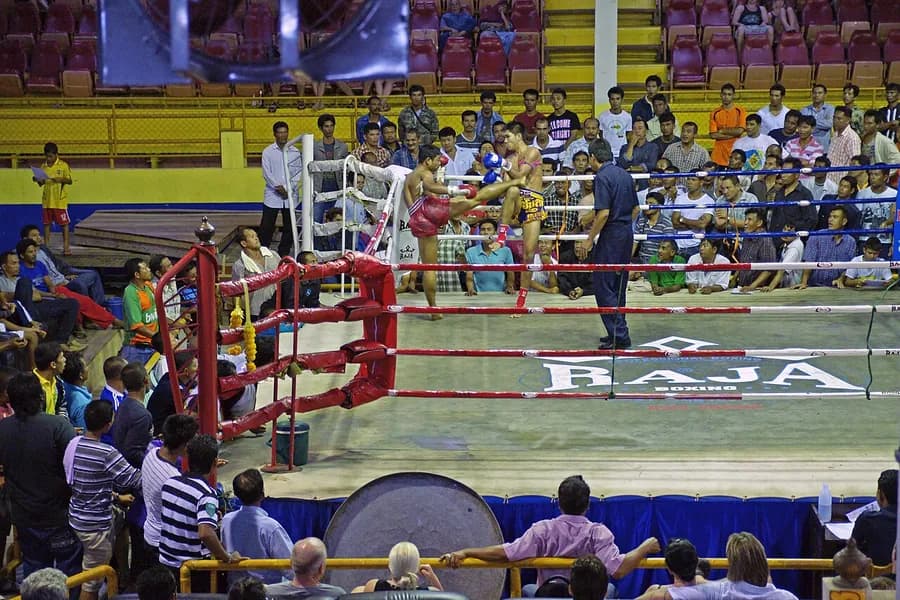
Thailand's national striking art, the art of eight limbs, fusing brutal elbows and knees, punishing kicks, and a clinch game unlike anything else in combat sports.
%22%2F%3E%3Ctext%20x%3D%22300%22%20y%3D%22205%22%20font-family%3D%22Arial%2C%20Helvetica%2C%20sans-serif%22%20font-size%3D%2232%22%20font-weight%3D%22bold%22%20fill%3D%22%23ffffff%22%20text-anchor%3D%22middle%22%3EMusti%20Yuddha%3C%2Ftext%3E%3Ctext%20x%3D%22300%22%20y%3D%22248%22%20font-family%3D%22Arial%2C%20Helvetica%2C%20sans-serif%22%20font-size%3D%2218%22%20fill%3D%22%23d4d4d8%22%20text-anchor%3D%22middle%22%3ETHE%20FIGHT%20FAN%3C%2Ftext%3E%3C%2Fsvg%3E)
A classical bare-fisted boxing tradition of the Indian subcontinent, remembered through epic literature and surviving in a handful of living practices.
The shadowy Japanese art of the shinobi, built not around winning fights but around espionage, escape, and surviving by any means necessary.
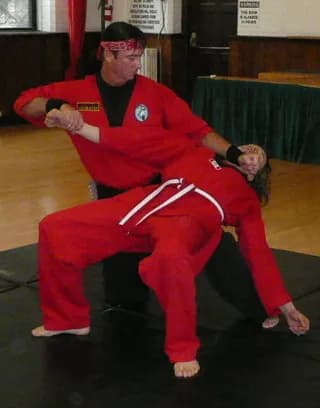
A modern First Nations martial art that reconstructs Plains Cree warrior combat around the war club, tomahawk, and close-quarters movement.
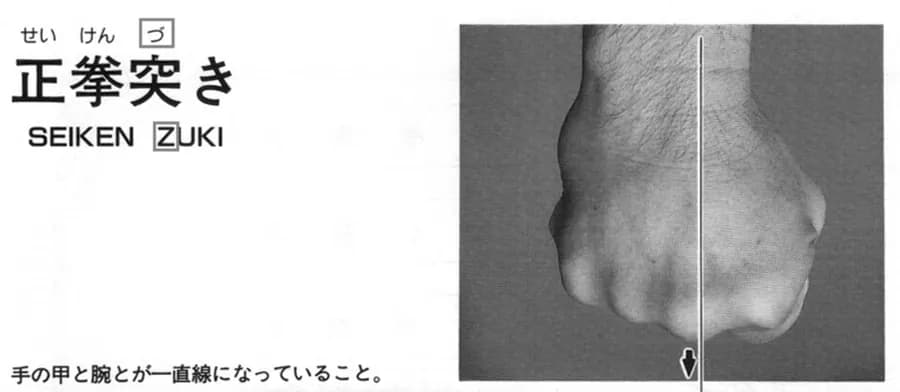
The island birthplace of karate, where indigenous fighting and Chinese boxing fused into the striking art the world later inherited.

The pioneering Japanese hybrid-fighting promotion that helped invent modern MMA a year before the UFC's cage ever opened.
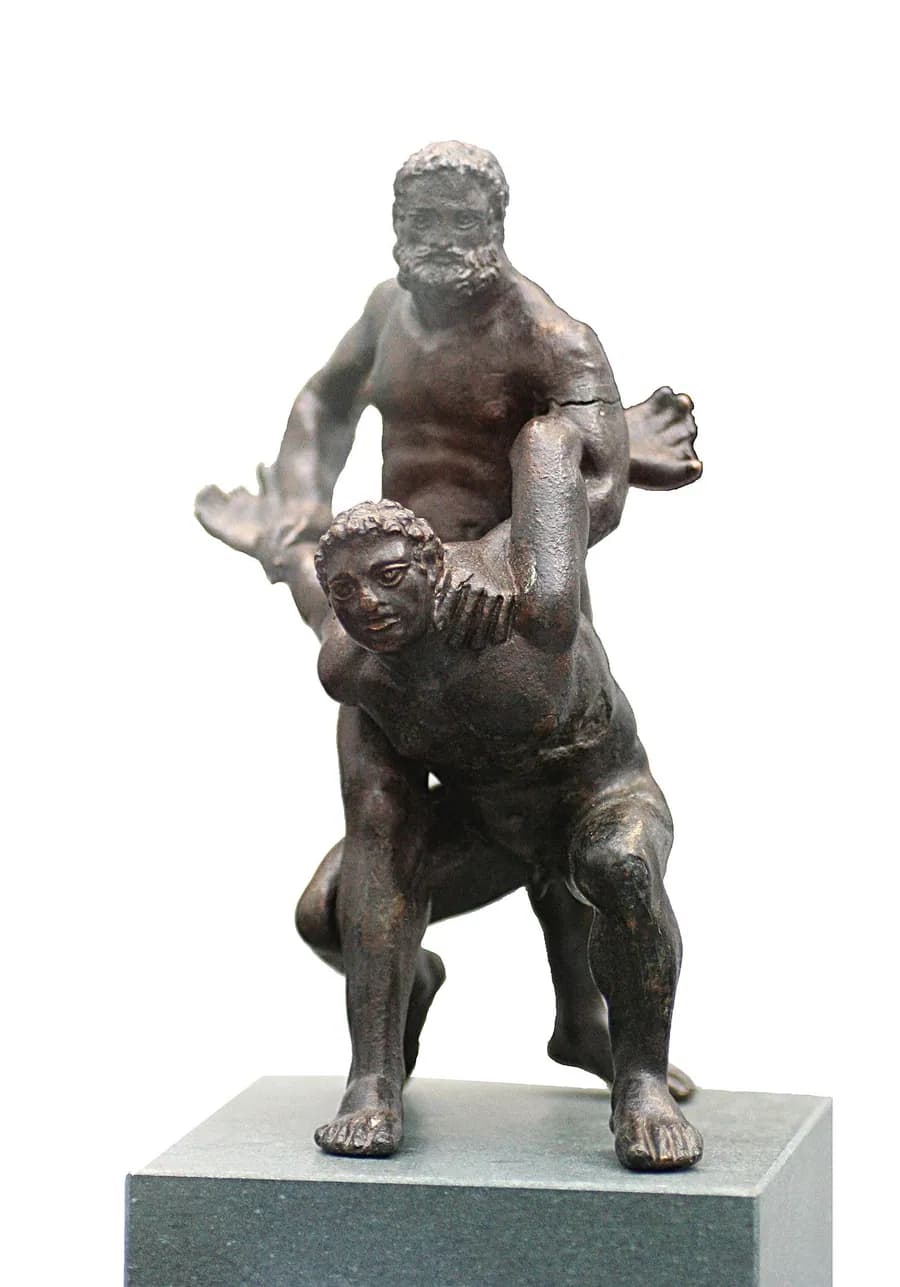
The modern revival of an ancient Greek fighting art, reborn as a mixed combat sport that reclaims a name older than boxing itself.
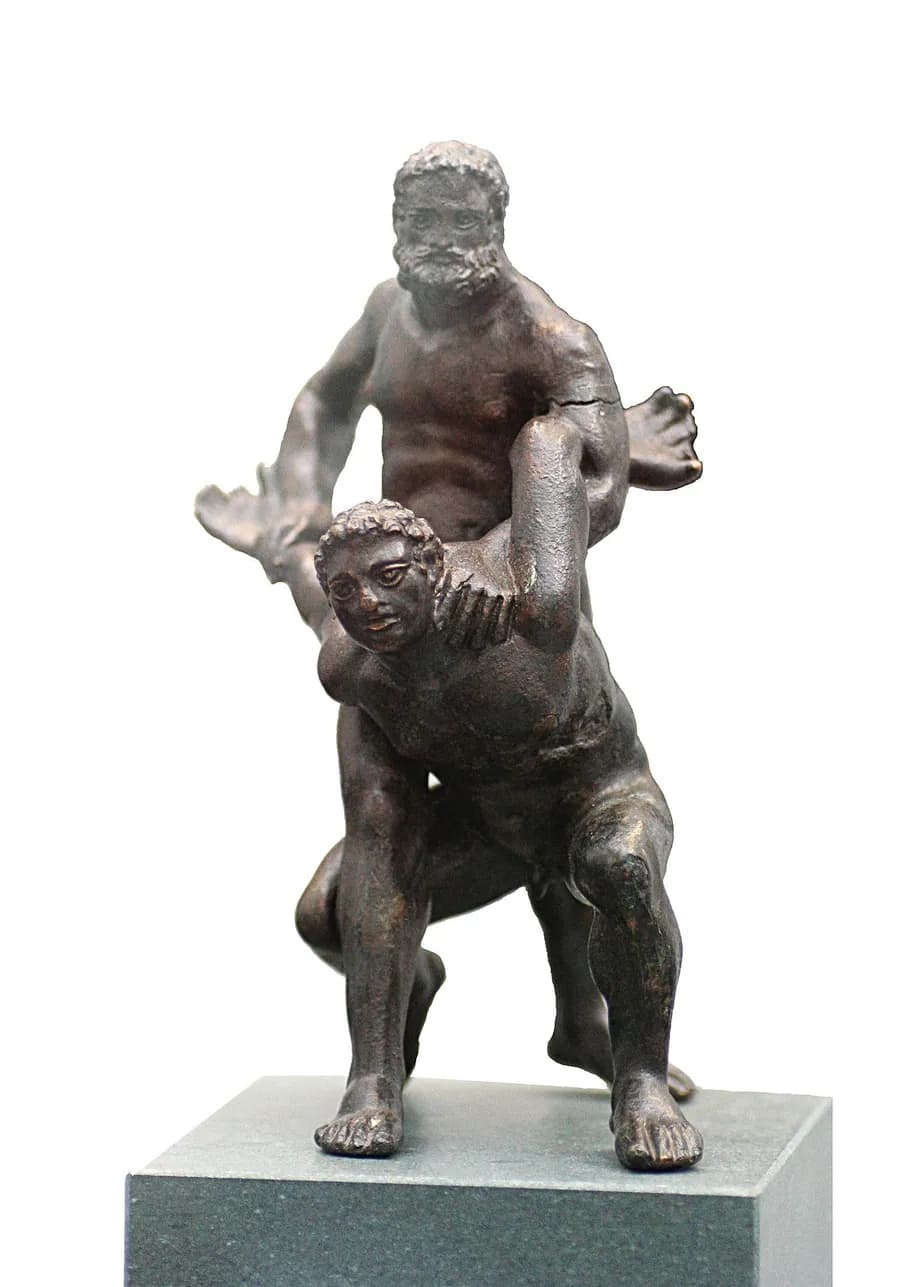
The near-anything-goes Olympic combat sport of ancient Greece, where boxing met wrestling and only biting and eye-gouging were banned.
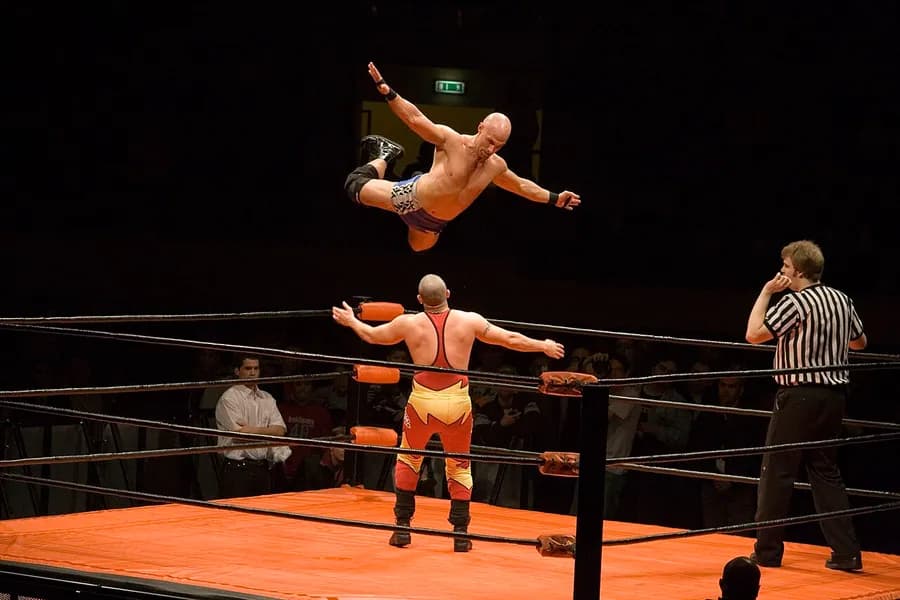
The theatrical grappling spectacle that grew out of real catch wrestling and became a global performance art built on genuine athletic risk.
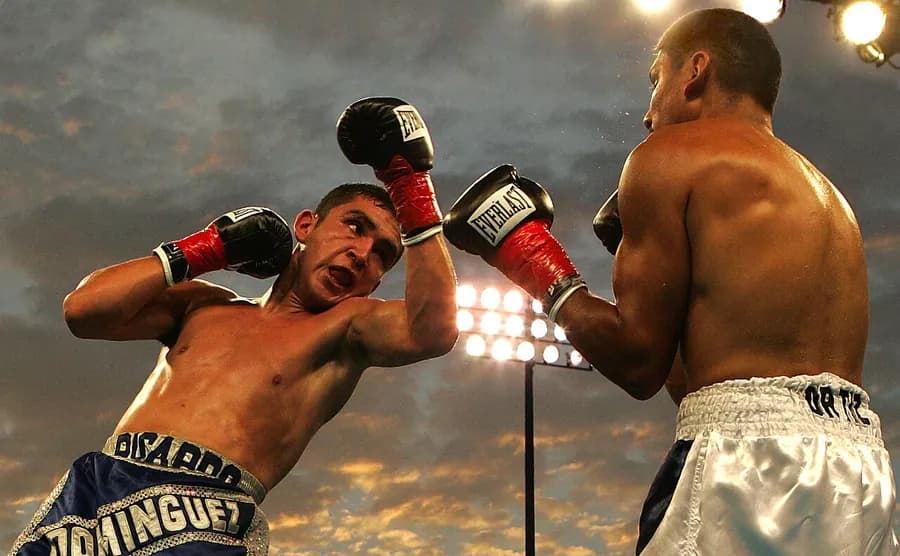
The bare-knuckle prizefighting tradition of Georgian and Victorian Britain that laid the foundations of modern boxing.

The wrestling tradition of the German-speaking world, preserved in medieval and Renaissance fight manuals as both sport and combat art.
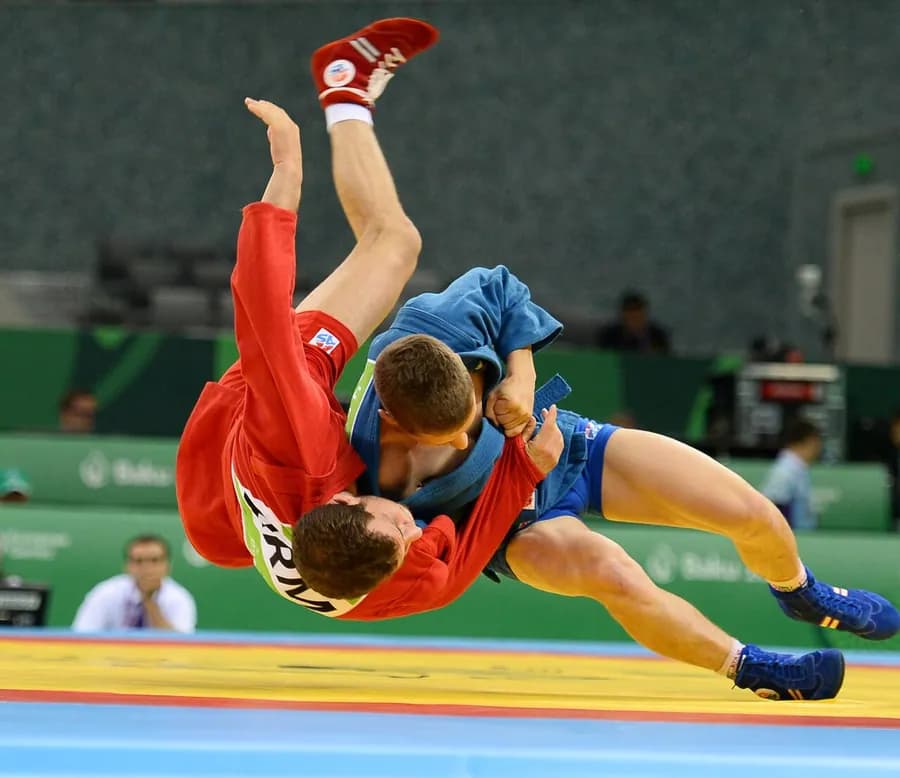
The Soviet grappling art engineered from world wrestling styles, famed for its leg locks and its outsized footprint on modern MMA.
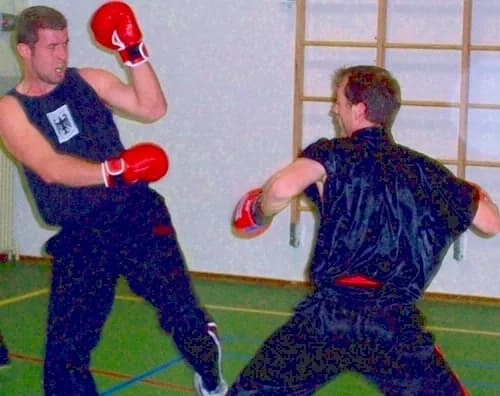
China's full-contact fighting sport, distilled from traditional kung fu into a punch-kick-throw system built around explosive entries and catches.
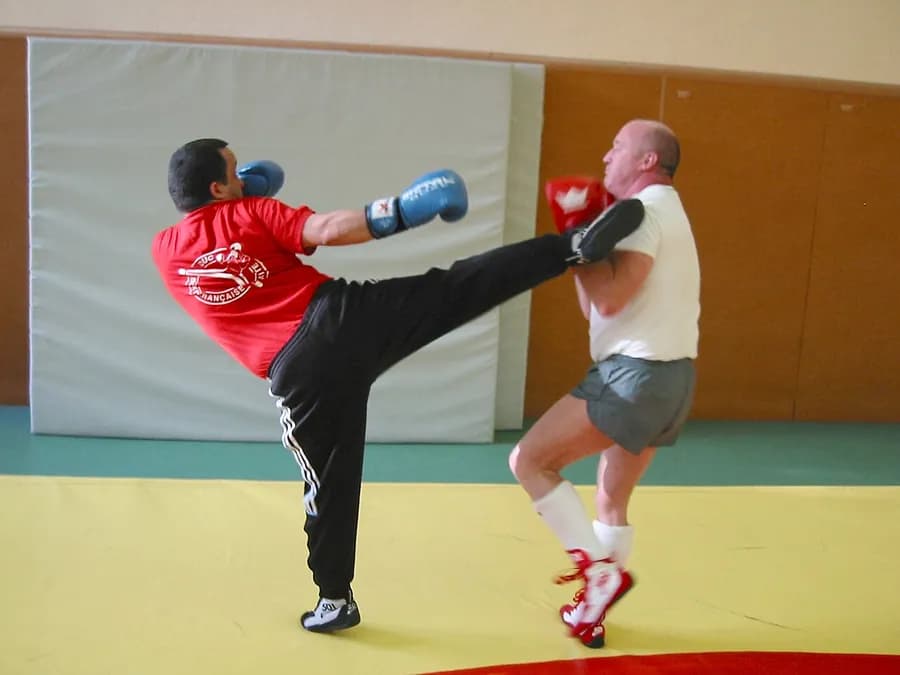
The elegant French striking art where boxers fight in shoes, snapping precise kicks with a fencer's sense of range and timing.
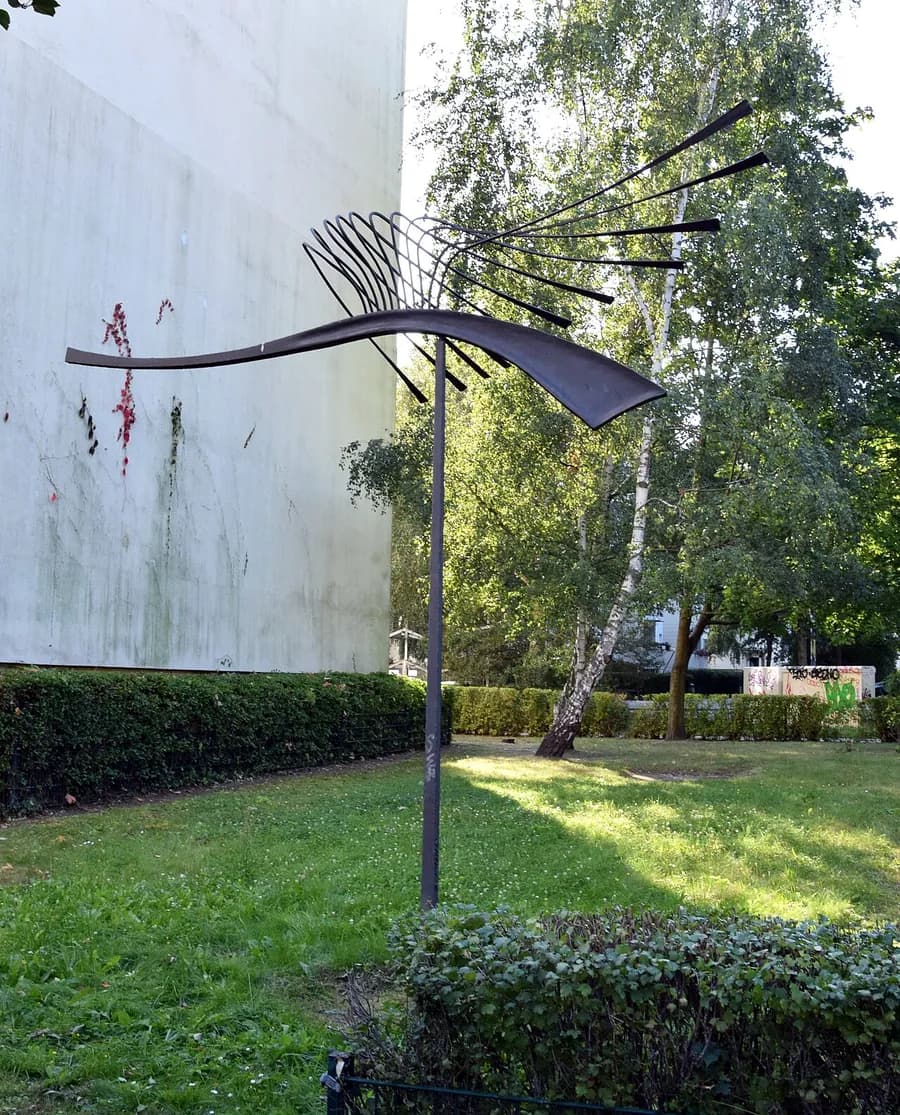
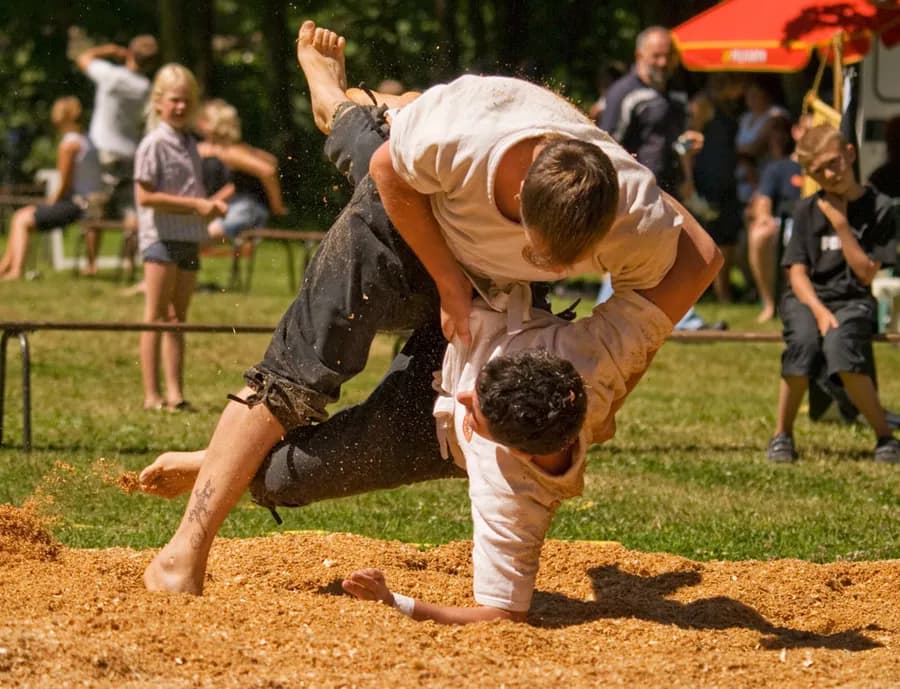
Switzerland's proud belt-and-breeches wrestling, contested in a ring of sawdust by men in short canvas trousers at sun-drenched Alpine festivals.
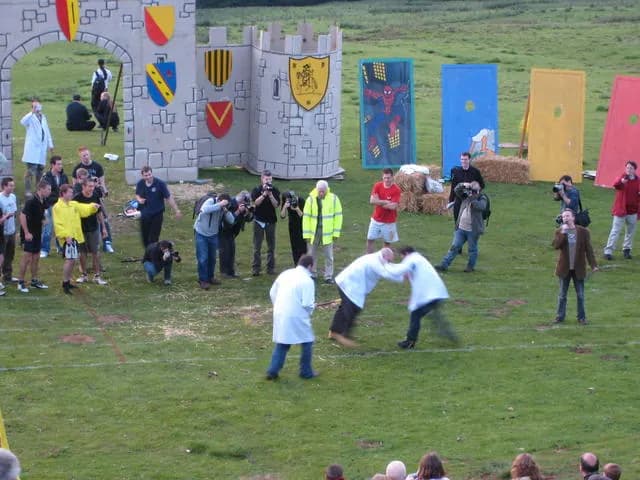
An eccentric English folk contest in which two competitors grip each other's collars and kick shins until one is toppled or gives in.
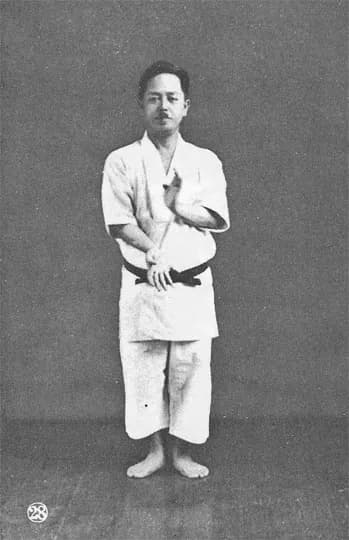
A major Okinawan karate style that fuses the hard power of Naha-te with the fast, precise movement of Shuri-te into one of karate's largest kata libraries.
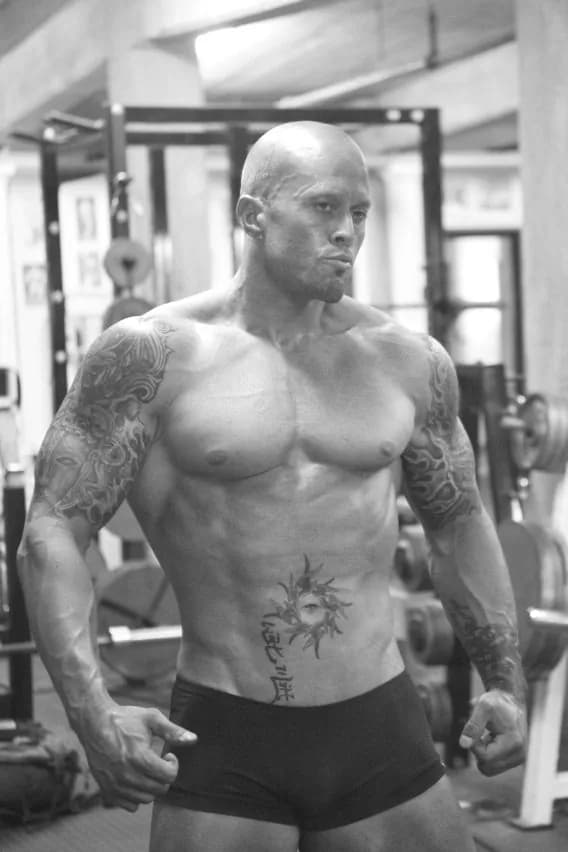
The Japanese grappling movement that split from pro-wrestling theatre to chase real submissions, seeding the roots of modern MMA.
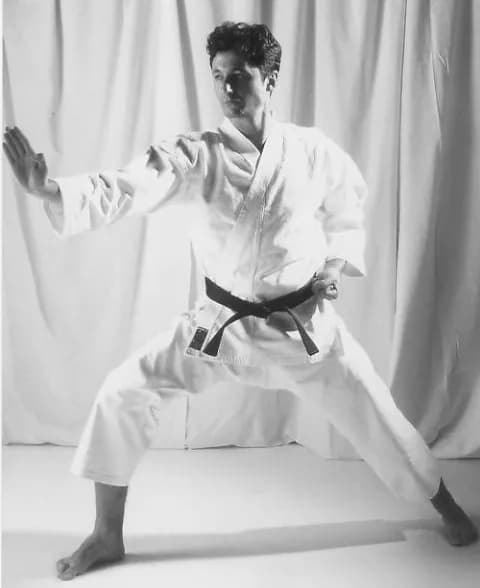
The deep-stanced, hard-hitting karate of Gichin Funakoshi, the style that carried Okinawan 'empty hand' to mainland Japan and then the world.
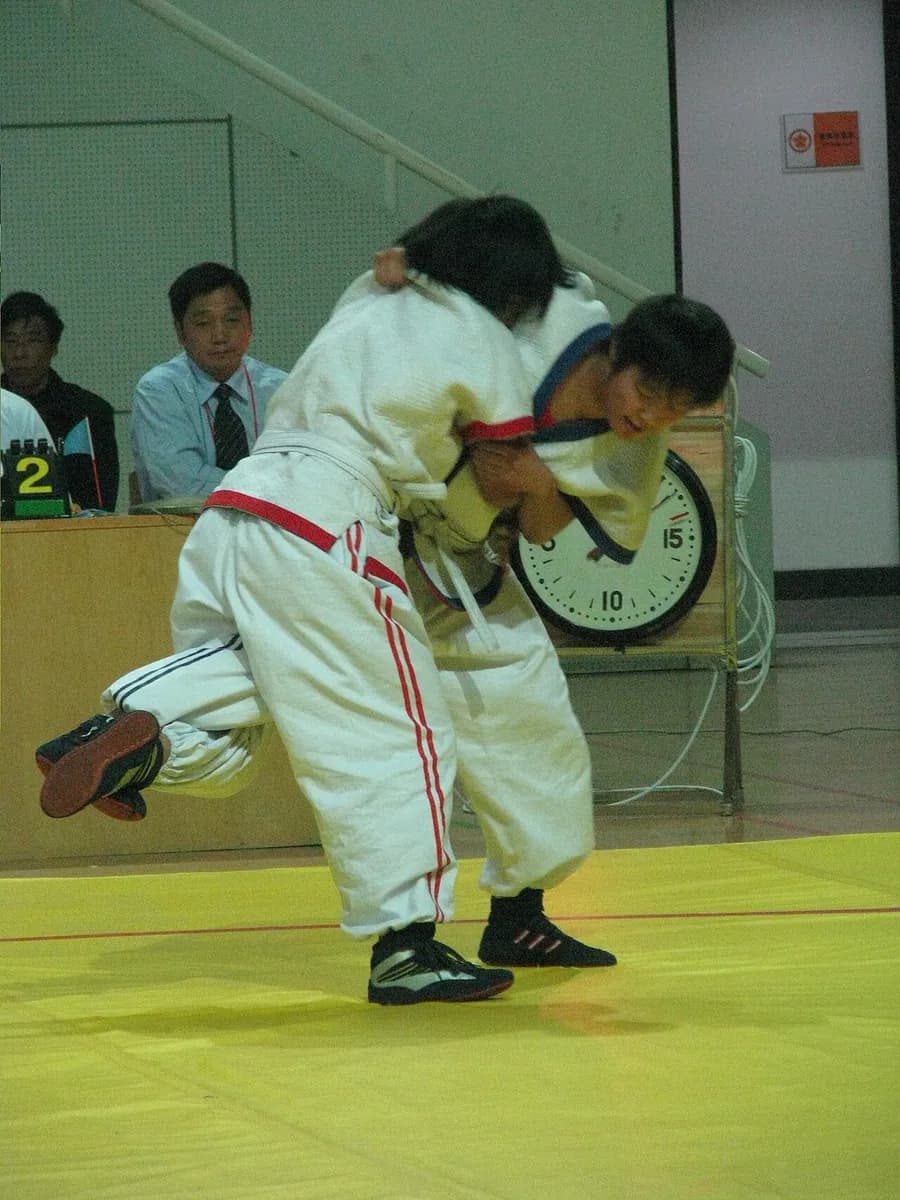
China's ancient jacket wrestling, an upright throwing art of grips, trips, and fast reaps refined over millennia of military and folk practice.
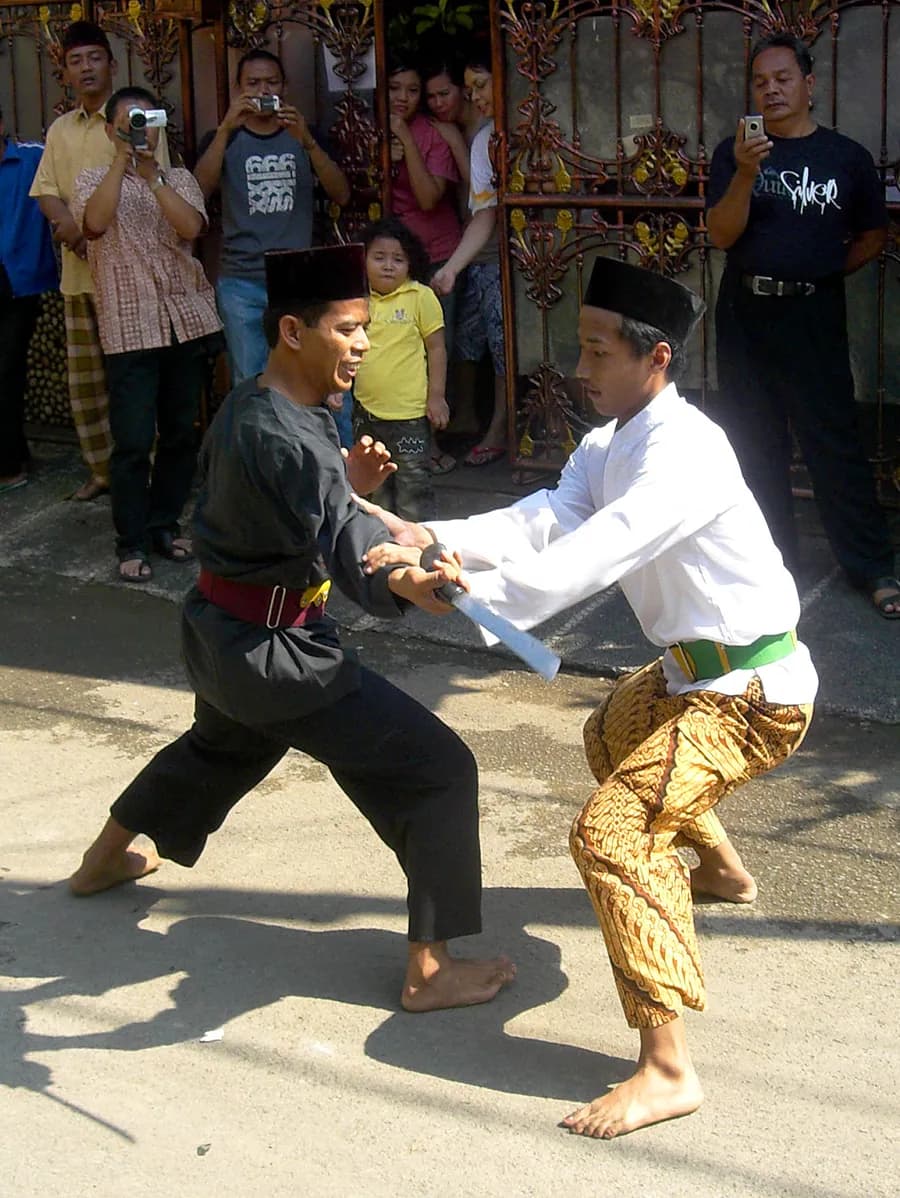
The vast martial family of the Malay world, where blade-aware angles, deceptive movement, and close-range trapping meet dance, ritual, and culture.
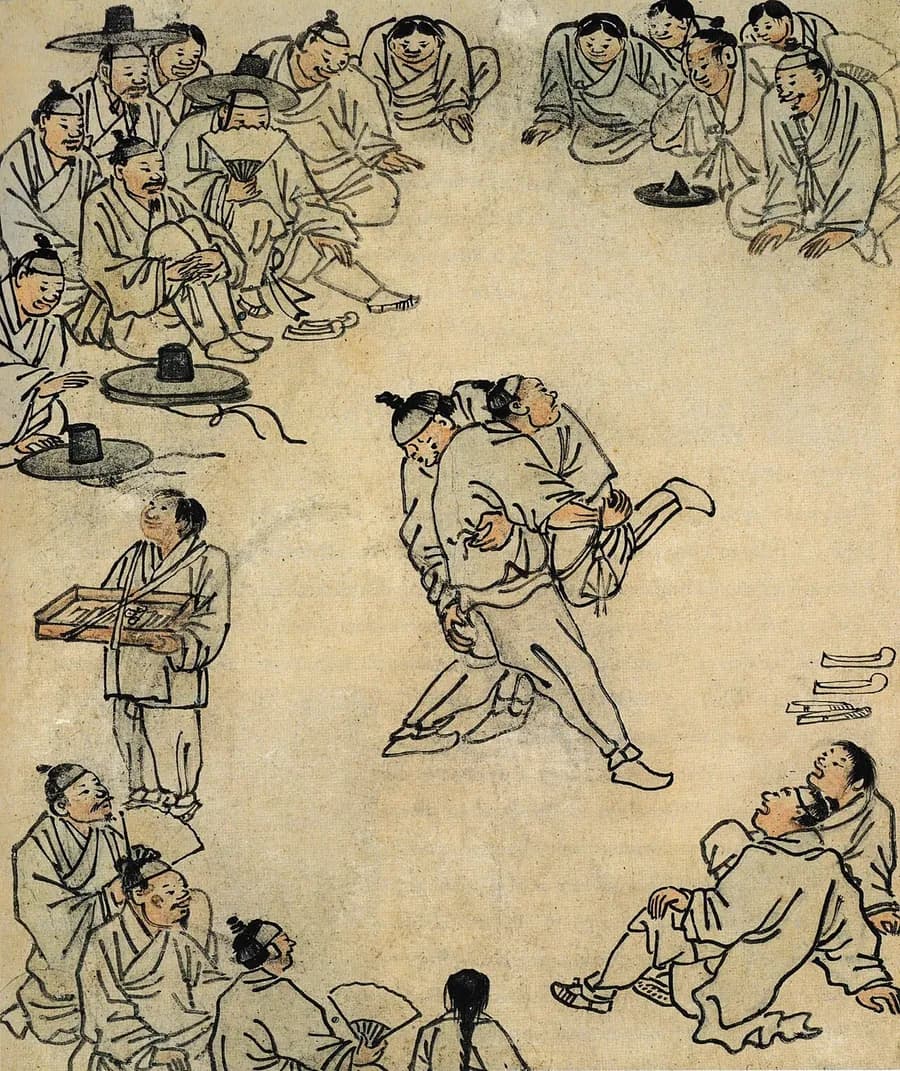
Korea's traditional belt wrestling, fought in a sandpit with a fabric satba wrapped around waist and thigh, a folk sport as old as the peninsula's festivals.
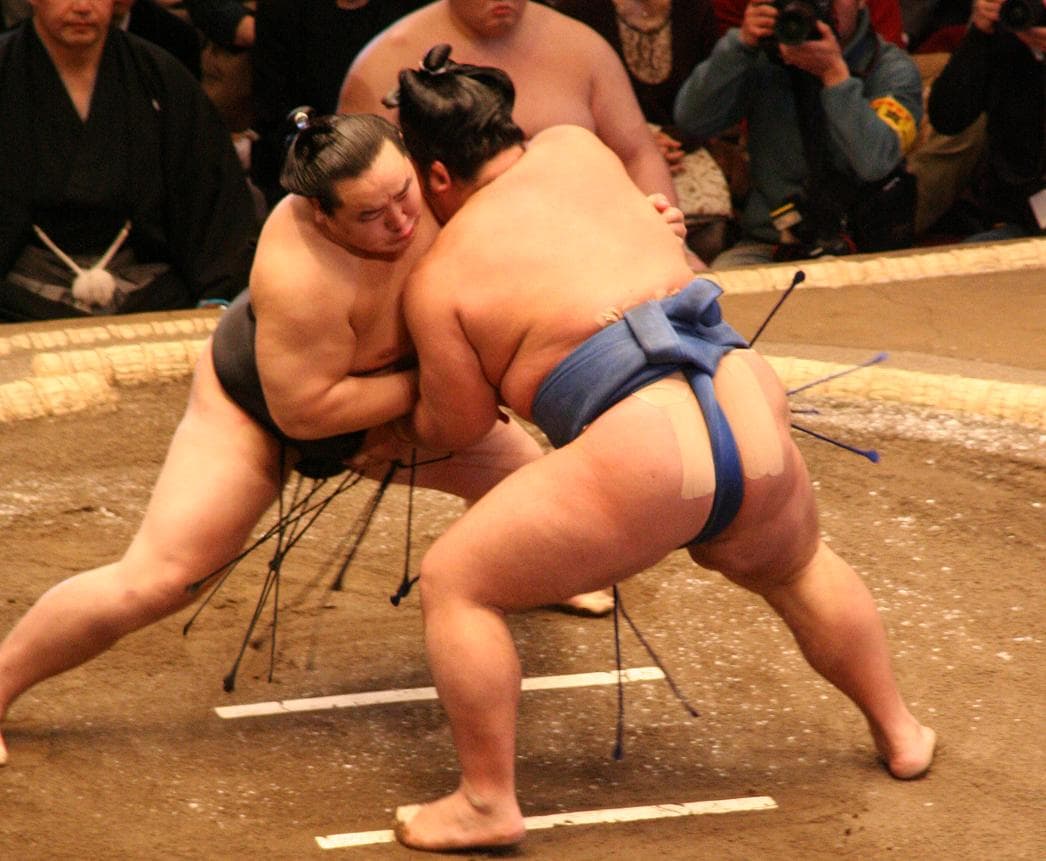
Japan's national wrestling, a thunderous ritual sport where giants clash in a sacred clay ring, fusing Shinto ceremony with explosive grappling.

A Russian martial system that treats breath, relaxation, and fluid movement as the foundation of survival under pressure.
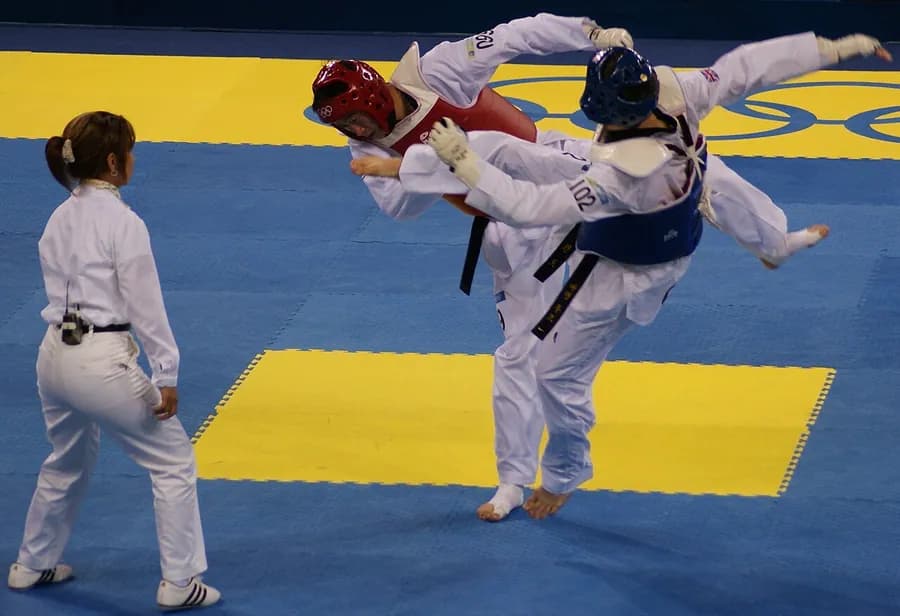
A Korean striking art built on fast, long-range kicking, born from a post-war drive to forge a national martial identity.
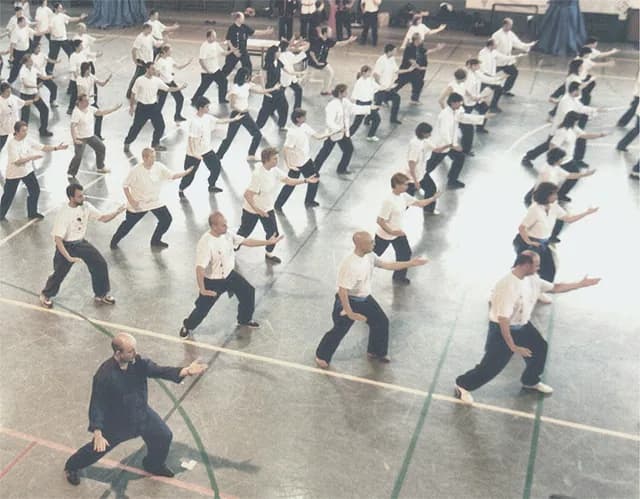
A Chinese internal martial art where slow, spiraling movement hides a sophisticated system of yielding, redirection, and rooted power.

An old Okinawan grappling tradition, part folk pastime and part combat training, often named as a hidden root of karate.
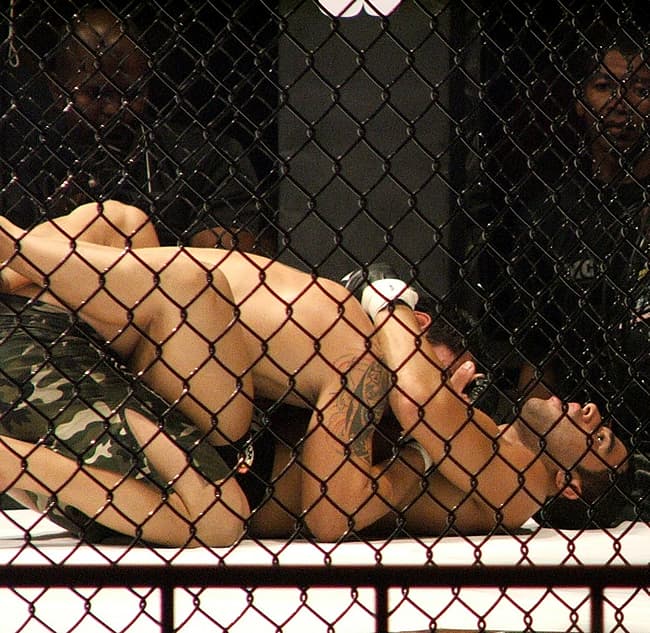
Brazil's raw, near-ruleless fighting tradition, where rival styles collided in the ring decades before MMA had a name.
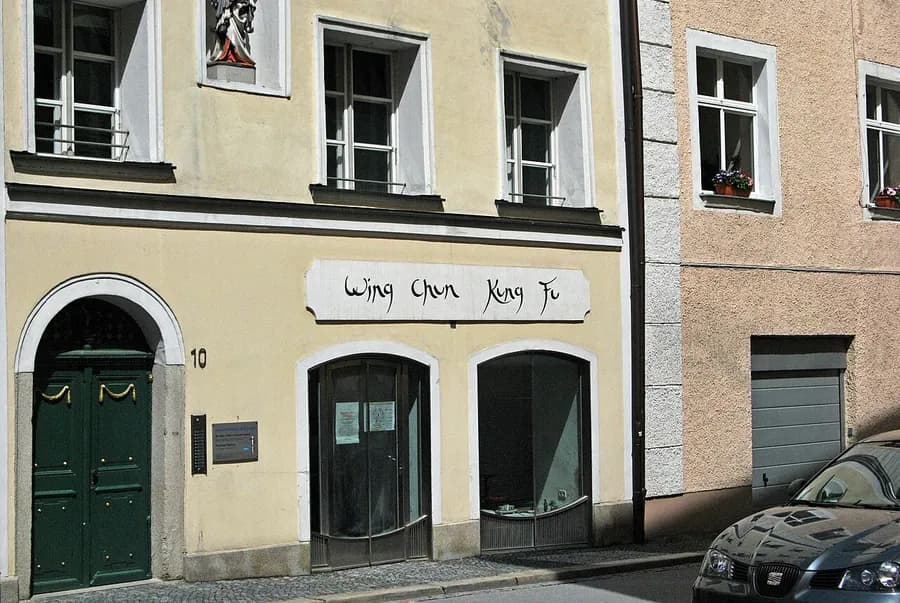
A compact southern Chinese striking art built on the centerline, sensitivity, and the shortest path to the target.
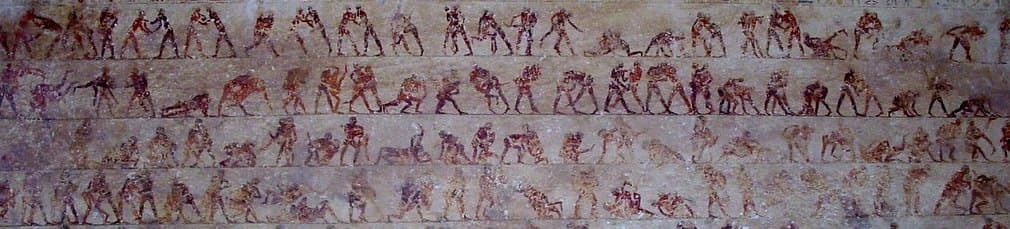
Humanity's oldest combat sport, a global grappling discipline built on takedowns, control, and relentless pressure.
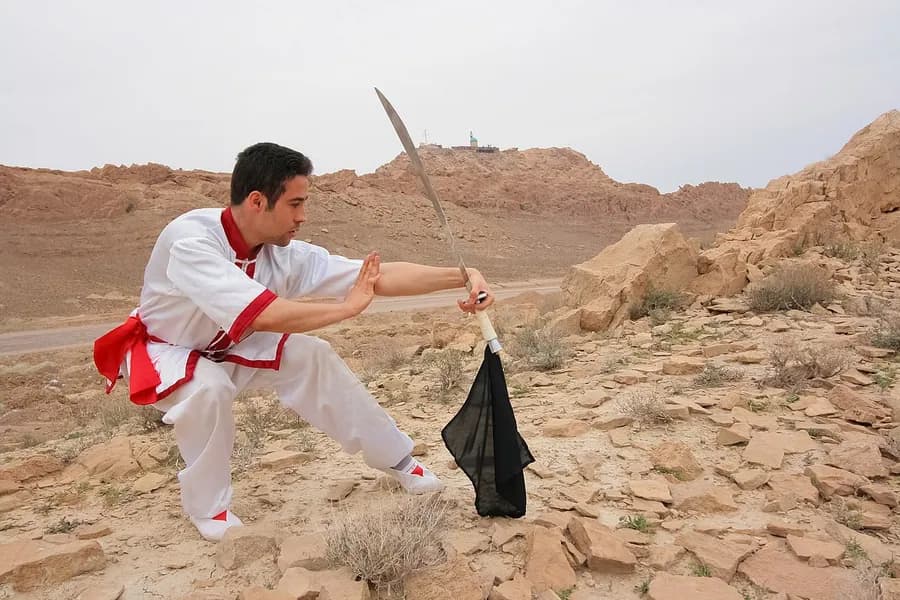
Modern China's standardized martial sport, a dazzling blend of acrobatic performance and codified fighting traditions.
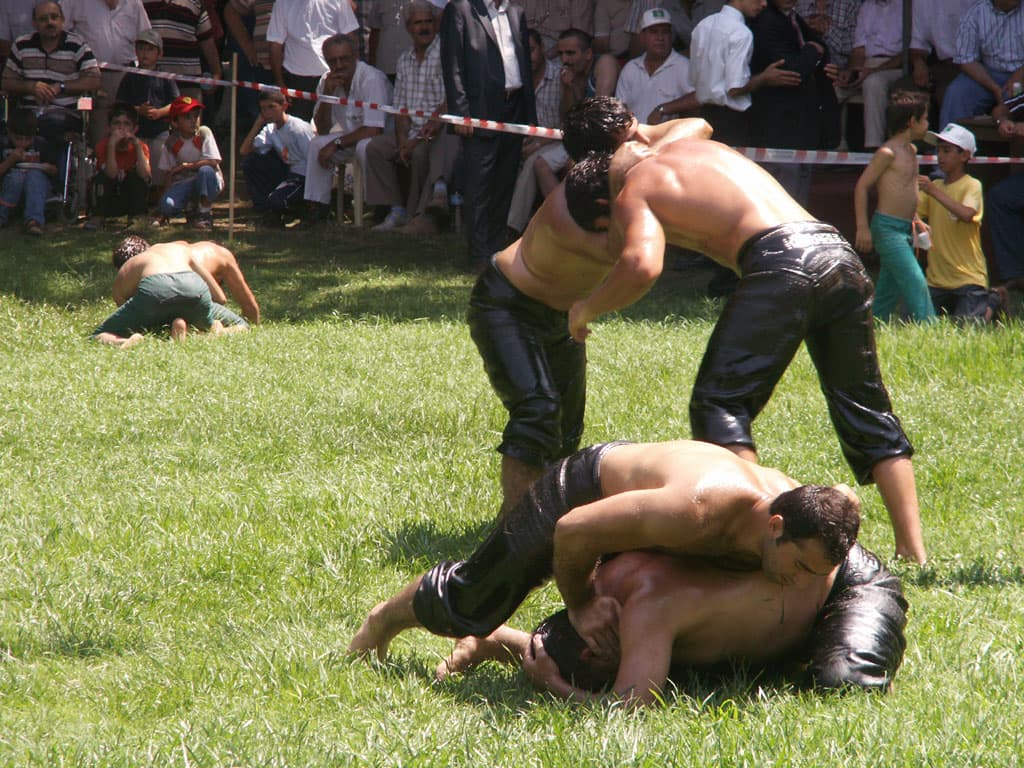
Turkey's centuries-old oil wrestling, a slippery, ceremonial grappling tradition and one of the world's proudest folk sports.